

If there is one neighborhood in London that manages to be iconic, charming, and genuinely surprising all at once, it is Notting Hill. Tucked into the west of the city, this vibrant area is best known for its pastel-coloured houses, world-famous market, and the annual Caribbean carnival that brings two million people to its streets every August. But Notting Hill is far more than a film backdrop or a festival destination. It is a neighbourhood with real character, full of hidden streets, exceptional food, independent bookshops, and a cultural energy that is unlike anywhere else in London. Whether you are visiting for the first time and wondering where to visit in Notting Hill, this guide covers the top Notting Hill attractions, places to eat, hidden gems, and cultural experiences across one of London’s most remarkable neighbourhoods. No visit to Notting Hill is complete without spending time on Portobello Road. Stretching nearly a mile through the heart of the neighbourhood, this is one of the most famous markets in the world and one of the few that genuinely live up to their reputation. Antique dealers, vintage clothing stalls, fresh produce, street food, and independent shops line the road from end to end, making it easy to spend an entire morning here without realizing the time.The pastel-coloured houses of Notting Hill are among the most photographed in London, and once you see them in person, it is easy to understand why. Lancaster Road is the most well-known stretch, with its rows of soft pinks, creams, and blues that look almost too perfect to be real. For something more tucked away, St Luke’s Mews is the neighbourhood’s best-kept secret, a narrow cobbled lane lined with painted doors and a particularly famous pink house. Hillgate Street and Hillgate Place, just south of Notting Hill Gate station, are also worth a wander for their beautifully preserved Victorian terraces. A gentle reminder: these are people’s homes, so be respectful of residents while you explore.For visitors looking for quieter places to see in Notting Hill, Holland Park and the Kyoto Garden offer a peaceful escape from the busy streets. The park is large and varied, with formal gardens, open lawns, and woodland walking paths, but its most celebrated feature is the Kyoto Garden, a Japanese garden created for the 1992 Japan Festival. Centred around a still pond with a gently cascading waterfall, it is genuinely one of the most serene spots in the entire city. The Dutch Garden is particularly beautiful in spring when the flowers are in full bloom, and the open-air Holland Park Theatre hosts Opera Holland Park performances every summer. If you are visiting between June and August, checking the opera schedule in advance is well worth it. Tucked away on Colville Mews, the Museum of Brands is one of Notting Hill’s most underrated attractions. Founded by consumer historian Robert Opie, it traces the history of British consumer culture through an extraordinary collection of original packaging, advertising, and branded goods spanning over a century. Walking through the displays feels like travelling through time. You will recognise familiar brands like Cadbury and Kellogg’s, but seeing how their packaging and marketing evolved decade by decade is genuinely fascinating. Quiet, uncrowded, and ideal for a rainy afternoon.Notting Hill has quietly become one of the best shopping destinations in London, particularly for those who prefer independent boutiques over high street chains. Westbourne Grove is the area’s main shopping street, lined with a carefully curated mix including Sézane, Aesop, Reformation, and Free People. For designer labels, Ledbury Road is the place to head. The independent shops lining Portobello Road itself are worth exploring for vintage finds, art, and interiors. And Wild at Heart, the florist on Westbourne Grove, is worth a visit simply for how beautiful it looks from the outside.Notting Hill is one of London’s most vibrant neighbourhoods, where great food is as much a part of the experience as the colourful streets and famous market. Whether you are stopping for a quick bite between browsing Portobello Road stalls or settling in for a long evening meal, the area has something for every occasion.Whether you are planning a lazy weekend lunch, a romantic dinner, or a catch-up with friends, you will find:
Notting Hill’s pub and bar scene is varied enough to suit most moods. From flower-filled gastropub terraces to tiki-themed basement bars, the neighbourhood has a drinking spot for every occasion. Traditional pubs serving well-kept ales sit alongside creative cocktail bars with inventive menus, making it easy to find somewhere that suits the mood whether that is a quiet pint after a morning at Portobello Market or a full evening out with friends. If you are looking to combine great drinks with a proper meal, Frame in Notting Hill offers a carefully selected wine list and handcrafted cocktails alongside its full Spanish Tapas menu ideal for an evening that moves seamlessly from drinks to dinner.
No visit to Notting Hill is complete without spending time on Portobello Road. Stretching nearly a mile through the heart of the neighbourhood, this is one of the most famous markets in the world and one of the few that genuinely live up to their reputation. Antique dealers, vintage clothing stalls, fresh produce, street food, and independent shops line the road from end to end, making it easy to spend an entire morning here without realizing the time.The pastel-coloured houses of Notting Hill are among the most photographed in London, and once you see them in person, it is easy to understand why. Lancaster Road is the most well-known stretch, with its rows of soft pinks, creams, and blues that look almost too perfect to be real. For something more tucked away, St Luke’s Mews is the neighbourhood’s best-kept secret, a narrow cobbled lane lined with painted doors and a particularly famous pink house. Hillgate Street and Hillgate Place, just south of Notting Hill Gate station, are also worth a wander for their beautifully preserved Victorian terraces. A gentle reminder: these are people’s homes, so be respectful of residents while you explore.For visitors looking for quieter places to see in Notting Hill, Holland Park and the Kyoto Garden offer a peaceful escape from the busy streets. The park is large and varied, with formal gardens, open lawns, and woodland walking paths, but its most celebrated feature is the Kyoto Garden, a Japanese garden created for the 1992 Japan Festival. Centred around a still pond with a gently cascading waterfall, it is genuinely one of the most serene spots in the entire city. The Dutch Garden is particularly beautiful in spring when the flowers are in full bloom, and the open-air Holland Park Theatre hosts Opera Holland Park performances every summer. If you are visiting between June and August, checking the opera schedule in advance is well worth it. Tucked away on Colville Mews, the Museum of Brands is one of Notting Hill’s most underrated attractions. Founded by consumer historian Robert Opie, it traces the history of British consumer culture through an extraordinary collection of original packaging, advertising, and branded goods spanning over a century. Walking through the displays feels like travelling through time. You will recognise familiar brands like Cadbury and Kellogg’s, but seeing how their packaging and marketing evolved decade by decade is genuinely fascinating. Quiet, uncrowded, and ideal for a rainy afternoon.Notting Hill has quietly become one of the best shopping destinations in London, particularly for those who prefer independent boutiques over high street chains. Westbourne Grove is the area’s main shopping street, lined with a carefully curated mix including Sézane, Aesop, Reformation, and Free People. For designer labels, Ledbury Road is the place to head. The independent shops lining Portobello Road itself are worth exploring for vintage finds, art, and interiors. And Wild at Heart, the florist on Westbourne Grove, is worth a visit simply for how beautiful it looks from the outside.Notting Hill is one of London’s most vibrant neighbourhoods, where great food is as much a part of the experience as the colourful streets and famous market. Whether you are stopping for a quick bite between browsing Portobello Road stalls or settling in for a long evening meal, the area has something for every occasion.Whether you are planning a lazy weekend lunch, a romantic dinner, or a catch-up with friends, you will find:
Notting Hill’s pub and bar scene is varied enough to suit most moods. From flower-filled gastropub terraces to tiki-themed basement bars, the neighbourhood has a drinking spot for every occasion. Traditional pubs serving well-kept ales sit alongside creative cocktail bars with inventive menus, making it easy to find somewhere that suits the mood whether that is a quiet pint after a morning at Portobello Market or a full evening out with friends. If you are looking to combine great drinks with a proper meal, Frame in Notting Hill offers a carefully selected wine list and handcrafted cocktails alongside its full Spanish Tapas menu ideal for an evening that moves seamlessly from drinks to dinner.
Brief History of Notting Hill
Following the arrival of the SS Empire Windrush in 1948, Notting Hill became home to one of the largest Caribbean communities in Britain. Racial tensions came to a head in the 1958 Notting Hill race riots, out of which activist Claudia Jones organised the first Caribbean Carnival in 1959, the roots of what would become Europe’s largest street festival. The Caribbean community shaped the neighbourhood’s food, music, and culture in ways that are still visible on every street today.Today, that same spirit of resilience and creativity defines everything Notting Hill has to offer, from its world-famous market and iconic streets to its exceptional restaurants and hidden local gems. If you are wondering what to visit in Notting Hill, start with Portobello Road Market, the colourful mews streets, Holland Park, the Kyoto Garden, and the area’s famous film locations..Portobello Road Market
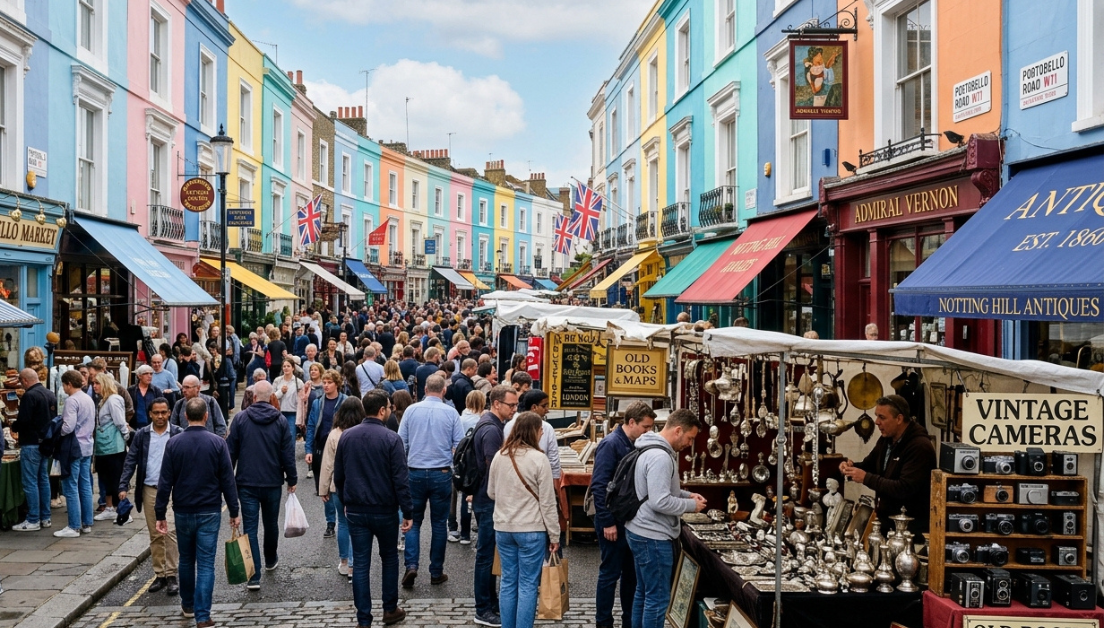 No visit to Notting Hill is complete without spending time on Portobello Road. Stretching nearly a mile through the heart of the neighbourhood, this is one of the most famous markets in the world and one of the few that genuinely live up to their reputation. Antique dealers, vintage clothing stalls, fresh produce, street food, and independent shops line the road from end to end, making it easy to spend an entire morning here without realizing the time.
What You Will Find at the Market
- Antiques and collectables from hundreds of dealers
- Vintage clothing and accessories
- Fresh fruit, vegetables, and artisan food stalls
- Street food from around the world
Best Time to Visit
Saturday is the busiest and most rewarding day, when the full antiques market is in operation. If you prefer a quieter experience, weekday mornings offer a more relaxed browse with far less competition. Either way, arriving by early afternoon is strongly recommended, as the crowds make it difficult to move, let alone browse properly.The Iconic Colorful Houses and Mews Streets
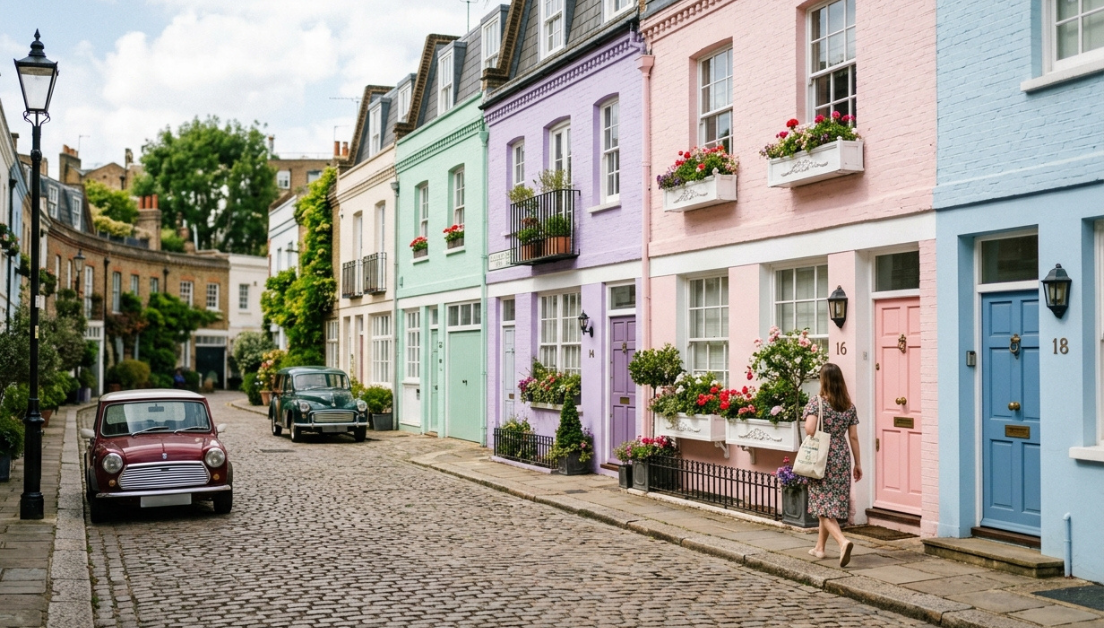 The pastel-coloured houses of Notting Hill are among the most photographed in London, and once you see them in person, it is easy to understand why. Lancaster Road is the most well-known stretch, with its rows of soft pinks, creams, and blues that look almost too perfect to be real. For something more tucked away, St Luke’s Mews is the neighbourhood’s best-kept secret, a narrow cobbled lane lined with painted doors and a particularly famous pink house. Hillgate Street and Hillgate Place, just south of Notting Hill Gate station, are also worth a wander for their beautifully preserved Victorian terraces. A gentle reminder: these are people’s homes, so be respectful of residents while you explore.
Holland Park and the Kyoto Garden
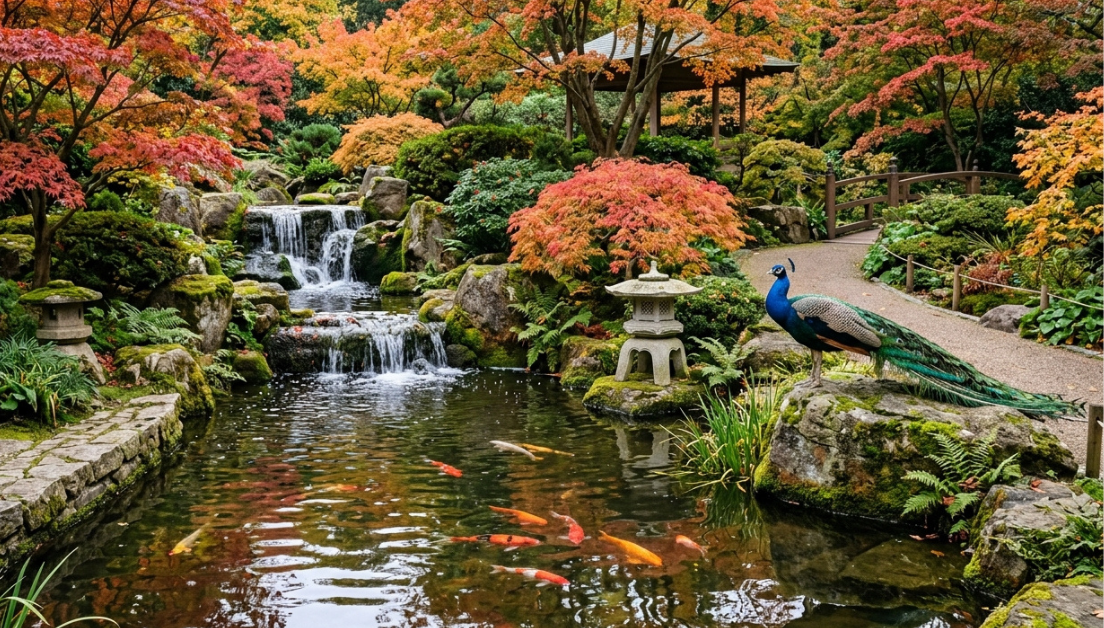 For visitors looking for quieter places to see in Notting Hill, Holland Park and the Kyoto Garden offer a peaceful escape from the busy streets. The park is large and varied, with formal gardens, open lawns, and woodland walking paths, but its most celebrated feature is the Kyoto Garden, a Japanese garden created for the 1992 Japan Festival. Centred around a still pond with a gently cascading waterfall, it is genuinely one of the most serene spots in the entire city. The Dutch Garden is particularly beautiful in spring when the flowers are in full bloom, and the open-air Holland Park Theatre hosts Opera Holland Park performances every summer. If you are visiting between June and August, checking the opera schedule in advance is well worth it.
 The Notting Hill Film Trail
The 1999 film starring Hugh Grant and Julia Roberts turned Notting Hill into an international destination, and a self-guided walking trail through the key locations is a genuinely enjoyable way to spend an afternoon.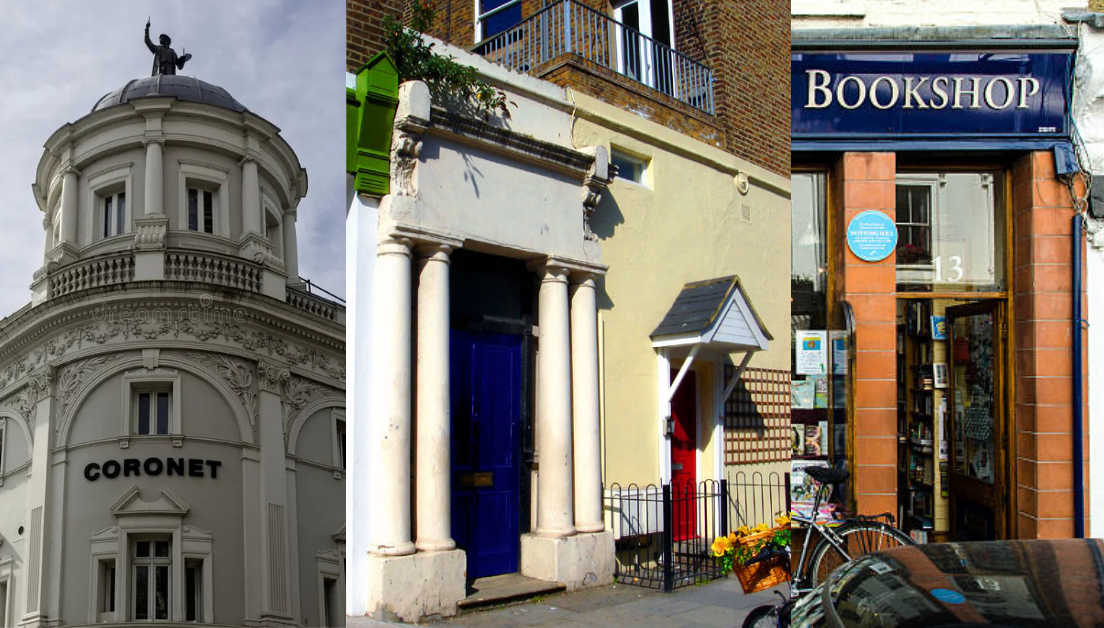
Filming Locations to Visit
- The Notting Hill Bookshop, Blenheim Crescent, is an inspiration for the Travel Bookshop in the film
- The Blue Door, Westbourne Park Road, Hugh Grant’s front door in the film (private residence, pavement photo only)
- The Coronet Building, Notting Hill Gate, striking Victorian architecture that also featured in the film
Museum of Brands
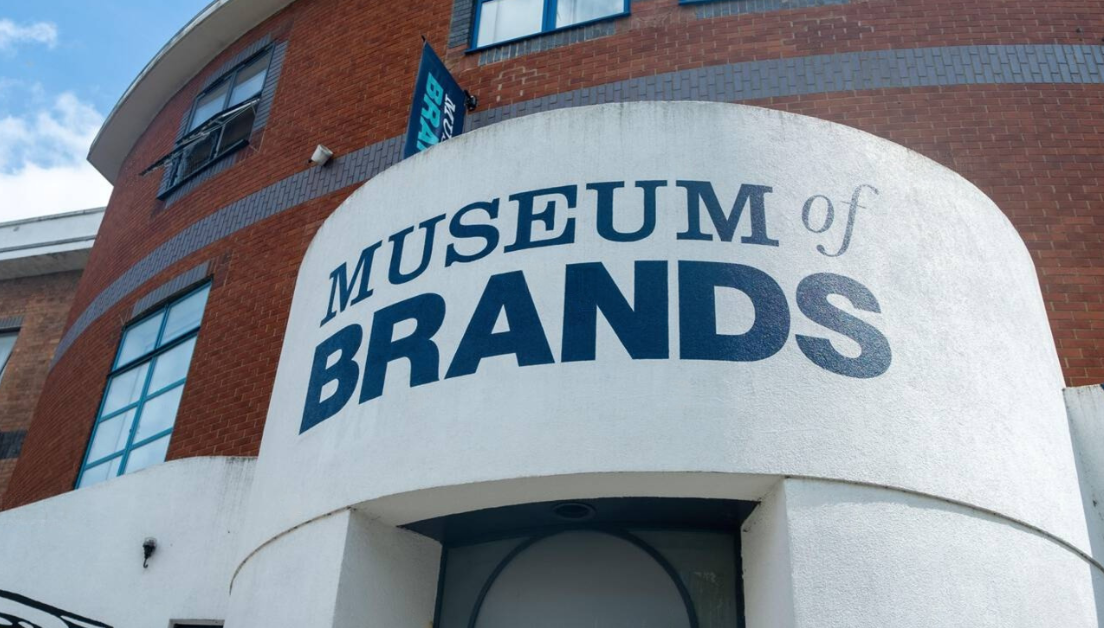 Tucked away on Colville Mews, the Museum of Brands is one of Notting Hill’s most underrated attractions. Founded by consumer historian Robert Opie, it traces the history of British consumer culture through an extraordinary collection of original packaging, advertising, and branded goods spanning over a century. Walking through the displays feels like travelling through time. You will recognise familiar brands like Cadbury and Kellogg’s, but seeing how their packaging and marketing evolved decade by decade is genuinely fascinating. Quiet, uncrowded, and ideal for a rainy afternoon.
Shopping in Notting Hill
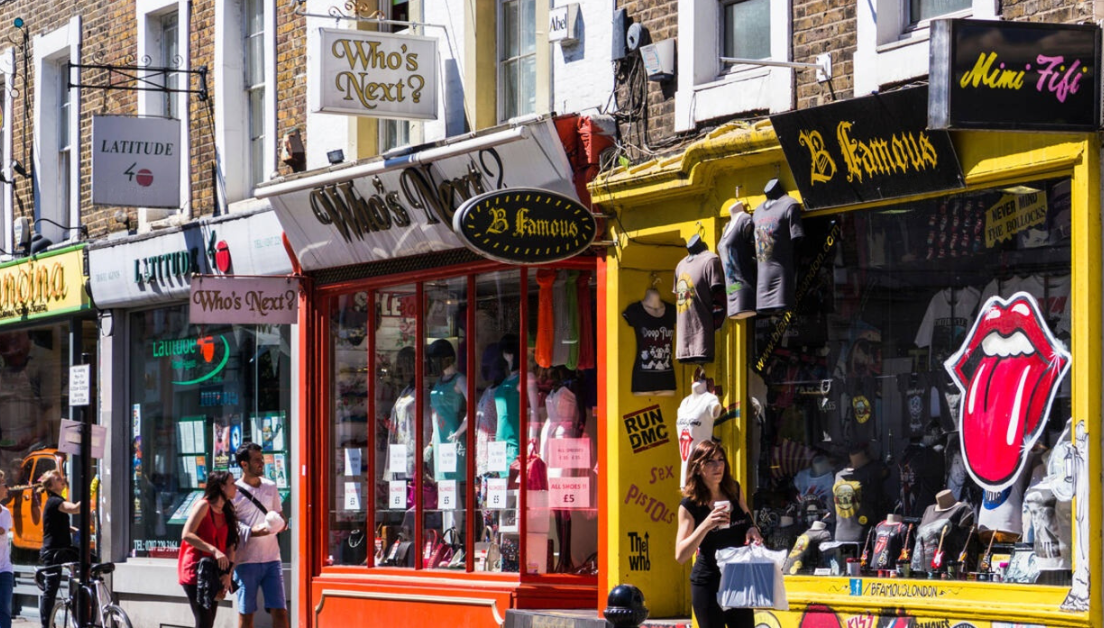 Notting Hill has quietly become one of the best shopping destinations in London, particularly for those who prefer independent boutiques over high street chains. Westbourne Grove is the area’s main shopping street, lined with a carefully curated mix including Sézane, Aesop, Reformation, and Free People. For designer labels, Ledbury Road is the place to head. The independent shops lining Portobello Road itself are worth exploring for vintage finds, art, and interiors. And Wild at Heart, the florist on Westbourne Grove, is worth a visit simply for how beautiful it looks from the outside.
Notting Hill Restaurants Worth Visiting
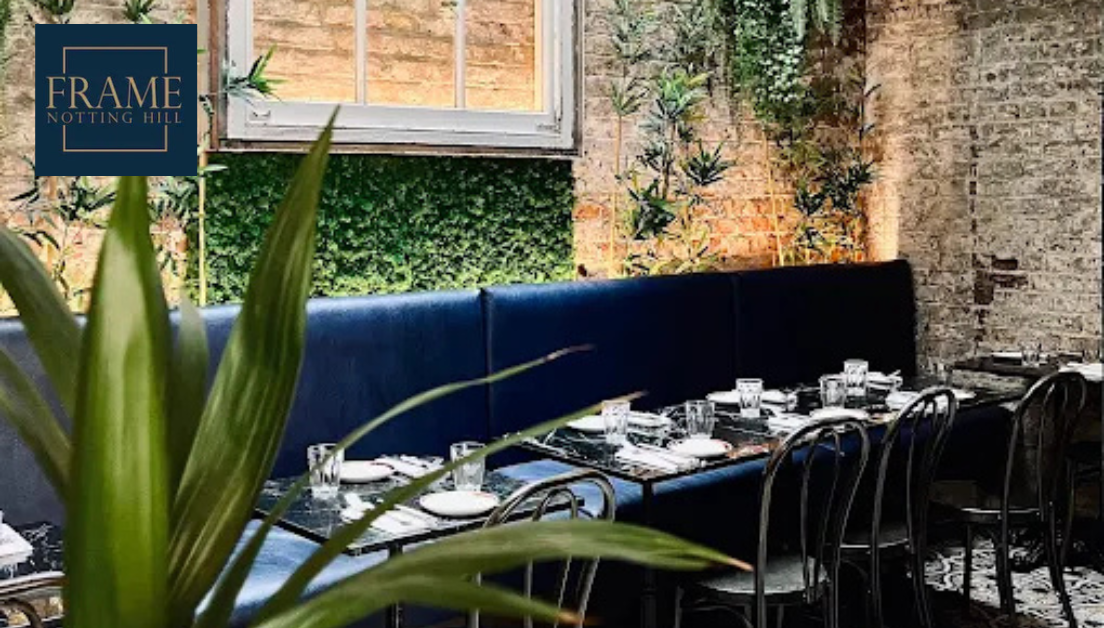 Notting Hill is one of London’s most vibrant neighbourhoods, where great food is as much a part of the experience as the colourful streets and famous market. Whether you are stopping for a quick bite between browsing Portobello Road stalls or settling in for a long evening meal, the area has something for every occasion.Whether you are planning a lazy weekend lunch, a romantic dinner, or a catch-up with friends, you will find:
- Spanish tapas and tapas cuisine
- Classic British gastropubs
- Michelin-starred fine dining
- Independent cafes and artisan coffee shops
Planning Where to Eat in Notting Hill?
If you’re exploring Portobello Road or spending the afternoon around Notting Hill, make time for a proper meal at Frame Notting Hill. Our Spanish-inspired tapas, seasonal dishes, handpicked wines and sharing-style menu make it an easy choice for lunch, dinner or drinks.
Bars and Pubs Worth Visiting
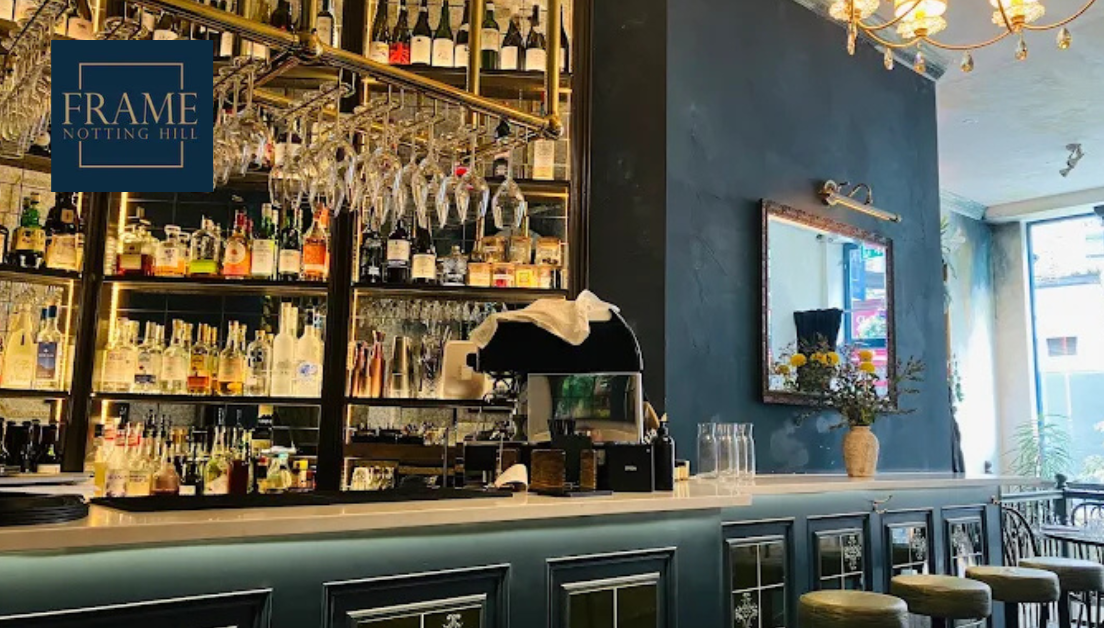 Notting Hill’s pub and bar scene is varied enough to suit most moods. From flower-filled gastropub terraces to tiki-themed basement bars, the neighbourhood has a drinking spot for every occasion. Traditional pubs serving well-kept ales sit alongside creative cocktail bars with inventive menus, making it easy to find somewhere that suits the mood whether that is a quiet pint after a morning at Portobello Market or a full evening out with friends. If you are looking to combine great drinks with a proper meal, Frame in Notting Hill offers a carefully selected wine list and handcrafted cocktails alongside its full Spanish Tapas menu ideal for an evening that moves seamlessly from drinks to dinner.
A Table for the Evening
If your Notting Hill plans are taking you into the evening, Frame offers a relaxed setting for sharing Spanish-inspired tapas over a glass of wine or a handcrafted cocktail. Settle in for dinner, start with drinks, or make an evening of both.
Notting Hill Carnival
Every August Bank Holiday weekend, Notting Hill is transformed into the site of Europe’s largest street festival. Running since 1966 and now attracting over two million people, the Notting Hill Carnival is one of the most extraordinary events on the London calendar.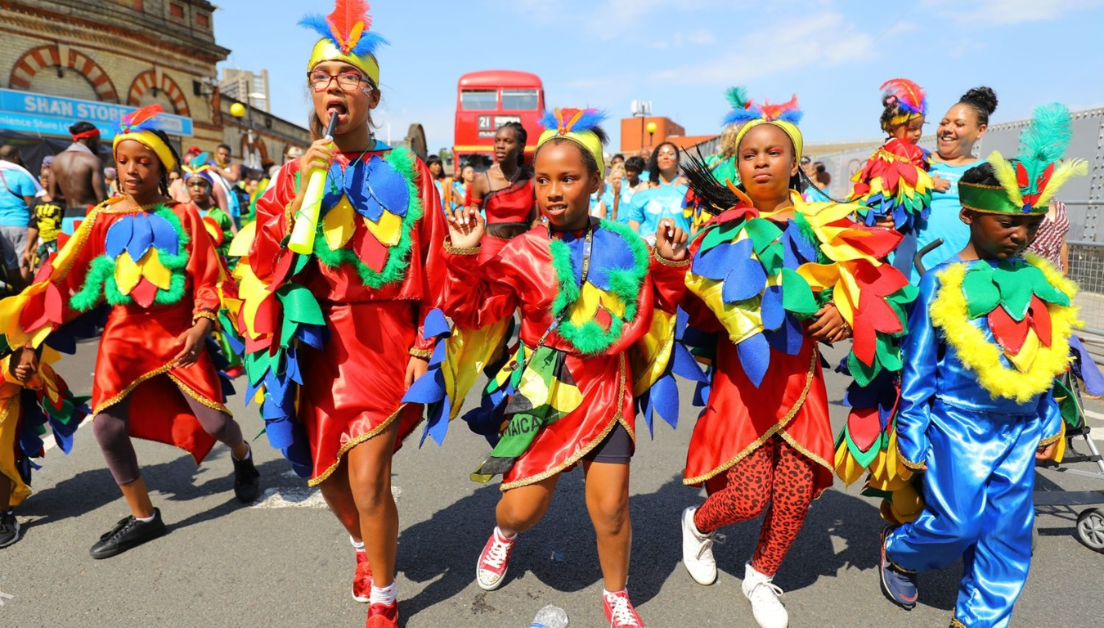
How the Weekend Works
- Saturday Panorama, the national steel band competition
- Sunday, family and children’s day, shorter parade route, relaxed atmosphere
- Monday: The main adult parade, full costume floats, 30+ sound systems, Caribbean street food throughout
- Arrive early, roads close progressively throughout the morning
- Wear comfortable shoes, as you will cover a lot of ground on foot
- Book a restaurant table well in advance, as the area gets extremely busy
- Frame Restaurant is an ideal spot for a pre- or post-parade meal
Hidden Gems and Local Secrets
This is where Notting Hill quietly outperforms most London neighbourhoods, and it is almost entirely absent from standard travel guides. On Lower Portobello Road, a blue plaque marks the former residence of George Orwell, a pleasing cultural footnote on a street better known for antiques. On Walmer Road, the last surviving 19th-century tile kiln in London still stands a small but striking piece of industrial history. Ladbroke Square Gardens, surrounded by tall Victorian terraces, is one of the largest private garden squares in London and Grade II listed, best glimpsed through the railings for a sense of the neighbourhood’s more exclusive residential side. Further north, Golborne Road has a bohemian, local feel that is a world away from the tourist trail, with Portuguese and Moroccan cafes lining the street and Trellick Tower looming over the skyline in its divisive brutalist glory.Practical Tips for Visiting Notting Hill
Getting There
The most central tube station is Notting Hill Gate, served by the Central, Circle, and District lines. Westbourne Park and Ladbroke Grove stations on the Hammersmith and City line are useful for the northern end of Portobello Road and the carnival route. Driving is best avoided, especially on Saturdays and during carnival weekend when road closures are extensive.Best Time to Visit
- Saturday morning full market experience, busiest but most rewarding
- Weekday mornings are quieter, browse, less competition at the stalls
- Spring is best for Holland Park and the Dutch Garden in bloom
- August Bank Holiday Notting Hill Carnival, plan and book well in advance