

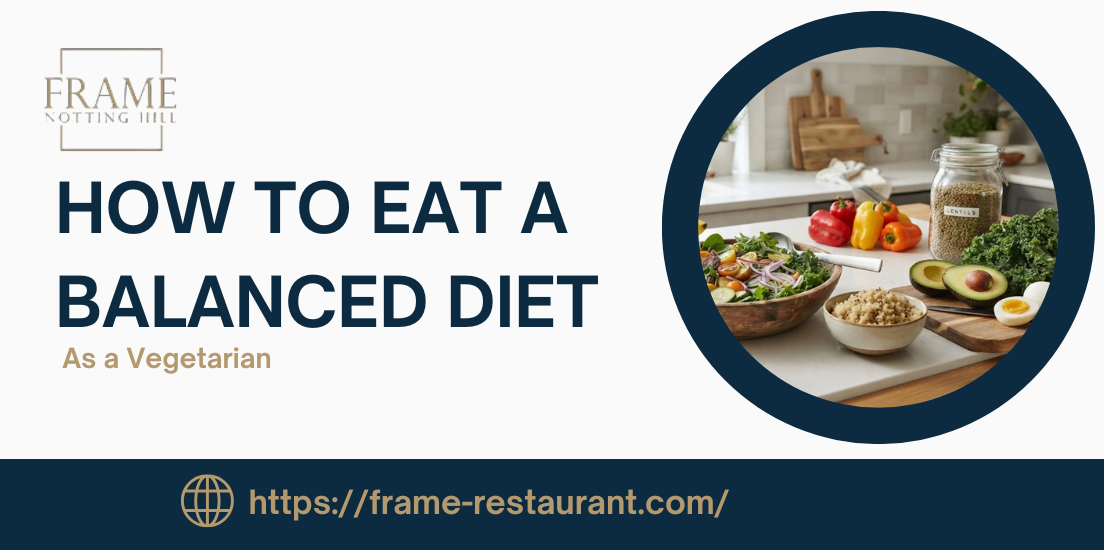
Vegetarianism has become increasingly common worldwide, with a noticeable share of the population in North America, Europe, and especially Asia choosing to skip meat altogether. Beyond ethical or environmental reasons, learning how to eat a balanced diet as a vegetarian can genuinely improve diet quality, but only if it’s approached correctly. Understanding why it is important to eat balanced diet is the first step, since what you eat directly shapes your energy, immunity, and long-term health.
In this guide, we’ll break down what a truly balanced vegetarian diet looks like, the key nutrients worth paying attention to, a simple day’s worth of meals to get you started, and a few practical tips for staying consistent long-term, including how you can enjoy a genuinely balanced vegetarian meal at one of Notting Hill’s best restaurants.
What Does a Vegetarian Diet Actually Involve?
At its core, vegetarianism means cutting out meat, fish, and poultry. Beyond that, there’s quite a bit of variation: some people still eat eggs and dairy, others avoid one or the other, and some go further into fully plant-based eating. Understanding where you fall on this spectrum is the first step to building a diet that actually meets your nutritional needs.
The Health Benefits of a Vegetarian Diet
Research consistently links vegetarian diets to higher intakes of fibre, vitamin C, vitamin E, and magnesium compared with meat-based diets. This is part of a wider picture too; the benefits of eating a balanced diet, whether vegetarian or not, include:
- Easier weight management
- More stable blood sugar levels
- Better heart health markers, such as lower cholesterol in many cases
- Possibly reduced risk of certain cancers, though this area still needs more research before firm conclusions can be drawn

The Nutrients in Vegetarian Diets That Need Extra Attention
The flip side is that meat, fish, and poultry naturally provide protein, omega-3s, and key micronutrients like zinc, iron, and vitamin B12, and dairy and eggs contribute calcium and vitamin D. Cutting these out without a plan can lead to gaps, and vegetarians are statistically more likely to run low on protein, iron, calcium, iodine, and B12. Left unaddressed, this can show up as fatigue, weakness, or other deficiency-related issues.
Key Nutrients for a Balanced Vegetarian Diet
- Protein: Patatas Bravas (chickpea-based aioli variation), Garbanzo beans stew (Spanish chickpea tapa), Tofu-stuffed Piquillo peppers, Paneer-style Spanish cheese skewers, Quinoa-stuffed mushrooms
- Iron: Sautéed spinach with pine nuts (Espinacas con Garbanzos spinach + chickpeas classic tapa, iron + vitamin C boost agar lemon squeeze ho), Padrón peppers with leafy greens
- Vitamin B12: mainly found in animal products, so fortified foods or a supplement are often necessary
- Calcium: dairy, fortified plant milks, and leafy greens all contribute
- Omega-3s: flaxseeds, walnuts, and chia seeds are good plant-based alternatives
Tips for Staying Balanced Long-Term
- Plan meals a few days ahead to avoid falling back on the same few dishes
- Keep a small variety of staples on hand, different grains, legumes, and vegetables, to help meals stay interesting without much extra planning
- Consider a B12 supplement or fortified foods, since this is one nutrient that’s genuinely hard to get enough of from plant foods alone
- Batch-cook proteins like lentils, chickpeas, or tofu at the start of the week to make assembling balanced meals quicker
- Keep a couple of quick, go-to meals in mind for busy days, so convenience doesn’t mean skipping nutrition
- Rotate different vegetables and fruits across the week, rather than buying the same few every time, to naturally widen your nutrient intake
Common Mistakes Vegetarians Make
Even with the best intentions, it’s easy to slip into a few habits that quietly work against a balanced diet. Here are some of the most common ones to watch out for:
- Leaning too heavily on processed meat substitutes, which can be low in the actual nutrients they’re trying to replace
- Not paying attention to iron or B12 intake until symptoms show up
- Relying on restriction rather than variety, when variety is usually the real key to getting a balanced vegetarian diet right
Eating Vegetarian While Dining Out in Notting Hill
Staying balanced doesn’t have to stop the moment you step out for a meal. Many restaurants in Notting Hill today offer genuinely well-thought-out vegetarian options, not just a single token dish, but full menus built with variety and nutrition in mind. The key is looking for places that offer a mix of plant-based proteins, vegetables, and whole grains, rather than relying on one heavy, carb-only option.
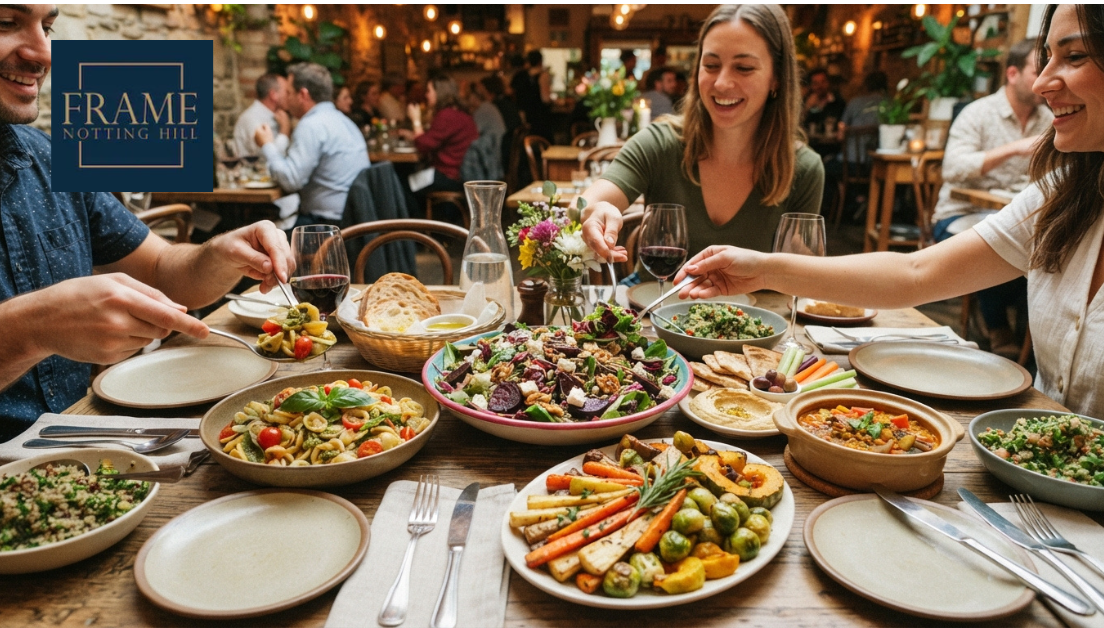
Sharing-style menus, like tapas, can actually work well for this. Ordering a spread of smaller vegetarian dishes naturally brings more variety to the table than a single main course would, making it easier to cover different food groups in one sitting.
Frame Notting Hill is a good example of this done well. Alongside our core tapas menu, we offer a solid range of vegetarian and vegan small plates, allowing diners to build a varied, balanced meal without compromising on flavour. It’s a reminder that eating well and eating out don’t have to be mutually exclusive.
Book your table today to explore vegetarian and vegan food.
Conclusion
A vegetarian diet, when planned properly, can be just as balanced and nutrient-rich as any other way of eating. The key is paying attention to the nutrients that are easier to miss: protein, iron, B12, and calcium, and building meals around variety rather than repetition. Whether cooking at home or dining out, small, consistent choices make the biggest difference over time.