

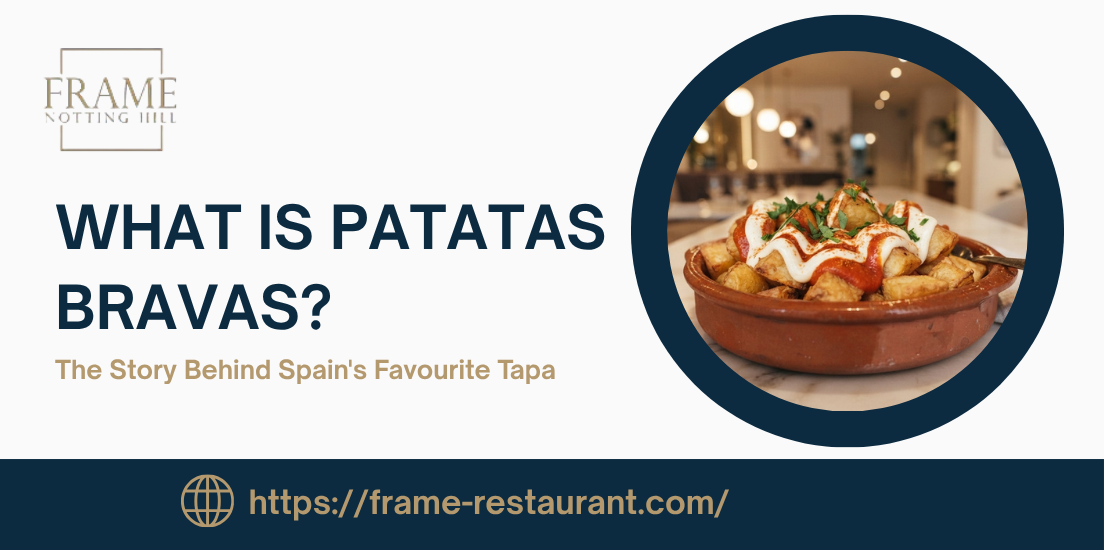
Patatas bravas is a classic Spanish tapa made from fried or roasted potato cubes, served hot and topped with a spicy tomato-based sauce called salsa brava, often finished with a drizzle of creamy alioli. It’s crispy, smoky, a little fiery, and instantly recognisable on any tapas menu.
But behind that simple description is a dish with a surprisingly rich history, fierce regional rivalries, and a reputation as one of the most beloved tapas in Spanish food culture. Here’s everything you need to know about patatas bravas: where it came from, what makes it authentic, and why it’s earned a permanent place on tables across Spain and beyond.
What Is Patatas Bravas?
At its core, patatas bravas is a potato dish built on contrast. The potatoes are cut into rough cubes and cooked until the outside turns deeply golden and crisp, while the inside stays soft and fluffy. They’re then covered in salsa brava, a sauce built from tomato, paprika, and chilli that brings both smokiness and heat.
The name gives it away: “brava” translates to “fierce” or “wild,” a nod to the sauce’s bold, spicy character. In many versions, the dish also comes with a layer of alioli, a garlicky, egg-based sauce that cools down the heat and adds richness. Together, the crisp potato, spicy sauce, and creamy alioli create the balance that makes patatas bravas so addictive.
The Origins and History of Patatas Bravas
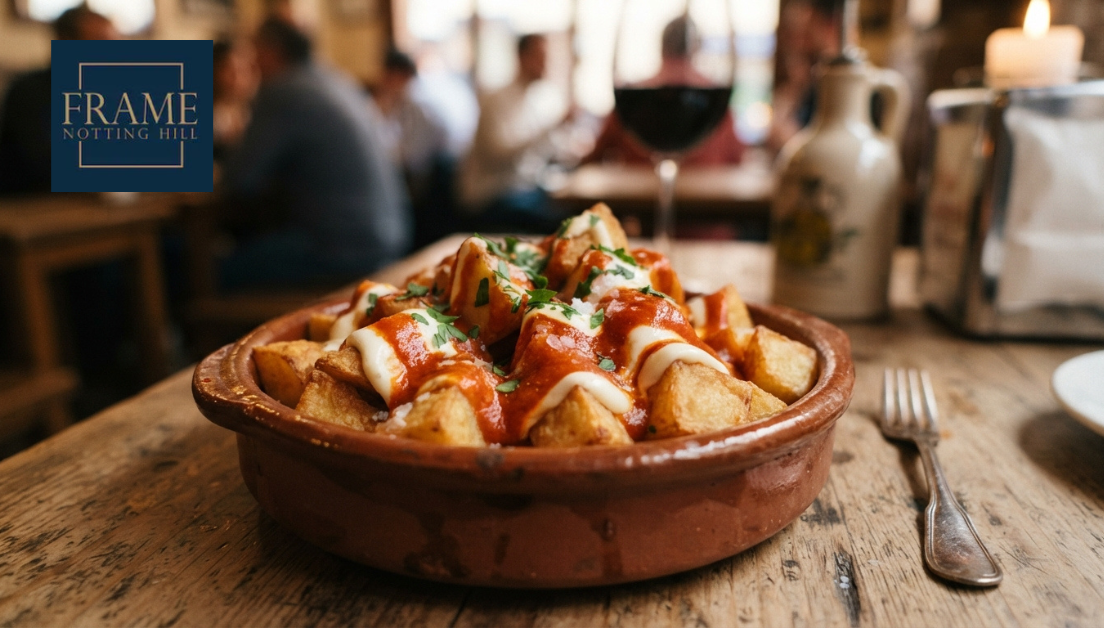
Patatas bravas is widely believed to have originated in Madrid in the mid-20th century, born out of the city’s bustling tapas bar culture. It started as a humble, inexpensive bar snack something cheap to make, quick to serve, and satisfying enough to keep customers ordering another round of drinks.
From those working-class taverns, the dish spread rapidly. As tapas culture grew into a defining part of Spanish social life, patatas bravas rode that wave and appeared on bar menus in cities across the country. Its simplicity was its strength: potatoes were affordable and available everywhere, and the sauce could be adapted to whatever ingredients a kitchen had on hand.
Over time, this local bar snack became one of Spain’s most ordered tapas and eventually a symbol of Spanish cuisine recognised well beyond its borders.
What Are the Regional Variations of Patatas Bravas Across Spain?
Because patatas bravas grew organically out of bar culture rather than a single fixed recipe, different regions of Spain developed their own take on it, and locals can be surprisingly opinionated about which version is “correct.”
Madrid-Style Bravas
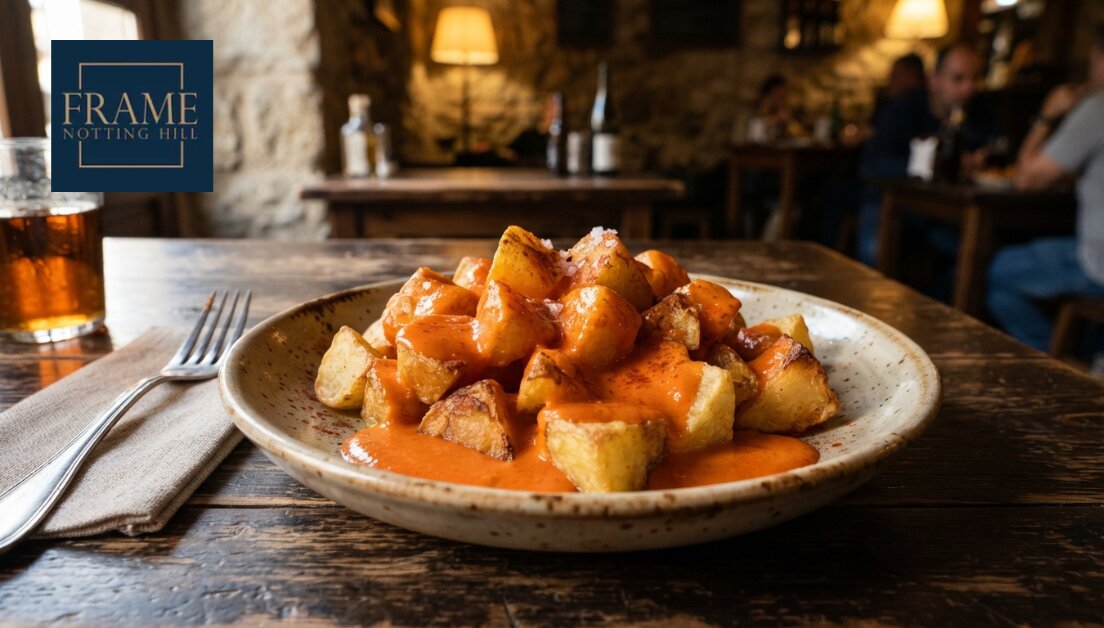
In Madrid, where the dish is thought to have originated, the classic version leans on the salsa brava alone: a smooth, spicy tomato and paprika sauce, sometimes with a touch of cayenne, served without alioli. The focus here is purely on the sauce’s heat and depth against the crisp potato.
Catalan-Style Bravas (With Alioli)
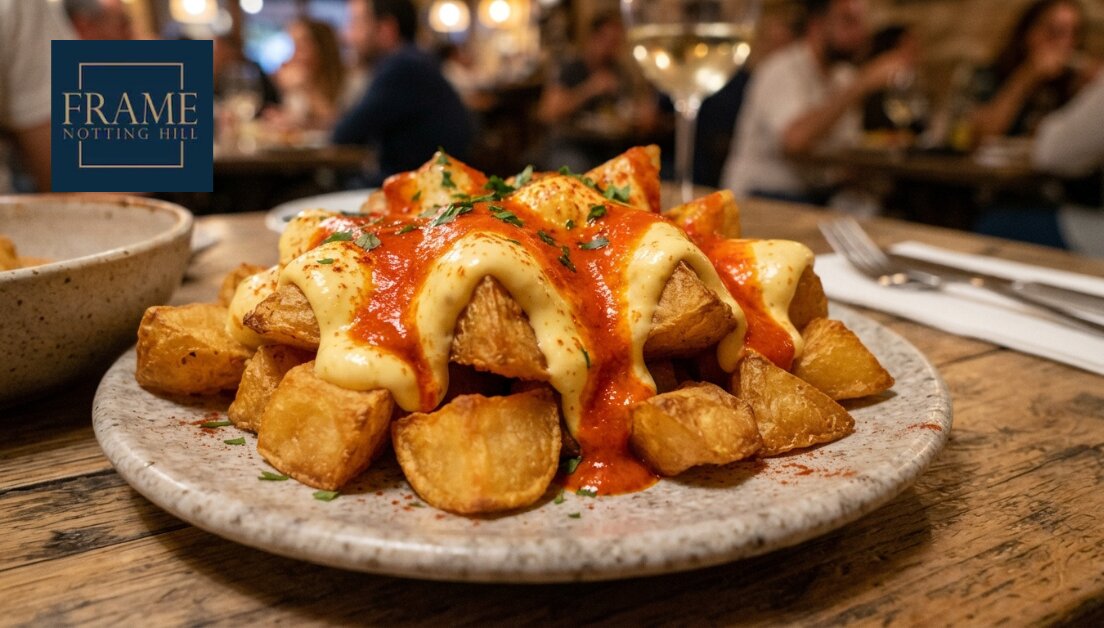
In Catalonia and other regions, it’s common to see the dish served with both salsa brava and a generous layer of alioli. This version balances spice with garlicky creaminess, giving the dish a richer, more layered flavour profile.
Other Regional Twists
Beyond these two dominant styles, many bars and regions add their own spin, some using smoked paprika for a deeper flavour, others adjusting the chilli level, or swapping in different potato cuts and cooking methods entirely. There’s genuine, good-natured debate across Spain about which version deserves the title of “true” bravas.
What Makes an Authentic Patatas Bravas?
Not all patatas bravas are created equal. A few key elements separate a memorable plate from a forgettable one.
The Potato
Authentic bravas relies on the right potato variety and cut, usually a starchy potato, cubed into rough, bite-sized pieces. The cooking method matters just as much: whether fried or roasted, the goal is a genuinely crisp exterior with a soft, fluffy centre. Soggy or unevenly cooked potatoes are the most common way this dish goes wrong.
The Sauce
Salsa brava should have real depth built on tomato, paprika, and chilli, cooked down until the flavours are rounded rather than sharp or one-note. The best versions balance smokiness and heat without letting either overpower the dish, and for those wanting extra richness, finishing patatas bravas with a touch of garlic butter sauce can add a mellow, buttery contrast to the heat.
The Role of Alioli
Where alioli is used, it should complement the sauce rather than mask it. A good alioli is garlicky, creamy, and just rich enough to cool the spice, giving each bite that back-and-forth between heat and comfort.
Why Is Patatas Bravas So Central to Tapas Culture?
Few dishes capture the spirit of tapas dining as well as patatas bravas. It’s built to be shared: a plate set in the middle of the table, picked at with forks over conversation and drinks, exactly the kind of unhurried, communal eating tapas culture is known for.
Why It’s a Tapas Staple
Its popularity comes down to accessibility and satisfaction: it’s inexpensive to make, universally loved, and pairs with almost anything else on a tapas menu. It’s often one of the first dishes ordered at any tapas bar, acting as a reliable crowd-pleaser alongside more adventurous plates.
Best Pairings
Patatas bravas pairs naturally with a chilled glass of Spanish white wine, a dry sherry, or a sparkling wine, all of which cut through the richness of the sauce. It’s also commonly ordered alongside other classic tapas, think jamón, croquetas, or grilled seafood, as part of a wider shared spread.
How Does Frame Serve Patatas Bravas?
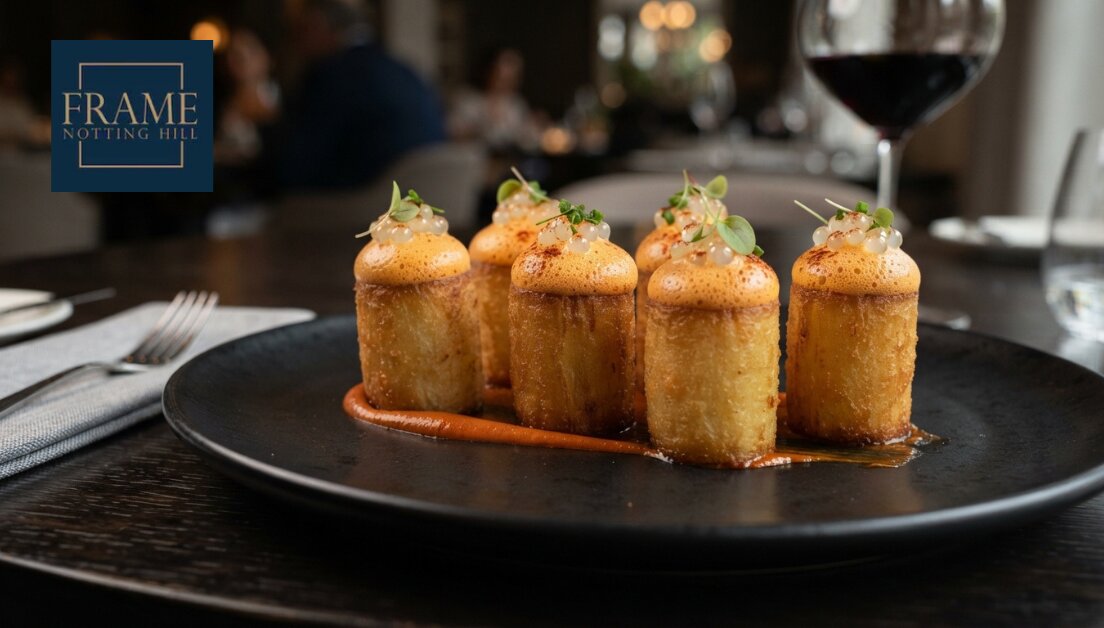
At our restaurant, patatas bravas is prepared with the same care and tradition that defines Spanish tapas cooking: crisp, golden potatoes paired with a rich, house-made salsa brava and a smooth alioli. It reflects what we love most about tapas: bold flavour, simple ingredients, and food made to be shared.
If you’re curious to try it for yourself, patatas bravas is a regular feature on our menu, the perfect starting point for anyone exploring authentic Spanish tapas in Notting Hill. Book a table at Frame and try our take on this Spanish classic.
Conclusion
What began as a humble bar snack in Madrid has grown into one of Spain’s most iconic dishes a plate that tells the story of tapas culture itself: simple, bold, and made for sharing. It has travelled far from its working-class origins, moving from crowded local taverns to fine-dining tapas menus worldwide, yet it has never lost the character that made it popular in the first place. Whether you prefer it Madrid-style with just the sauce, or Catalan-style with alioli, patatas bravas remains a must-try for anyone exploring Spanish food a dish that rewards both curiosity and appetite in equal measure.
2 responses