

What Is Tapas Cuisine?
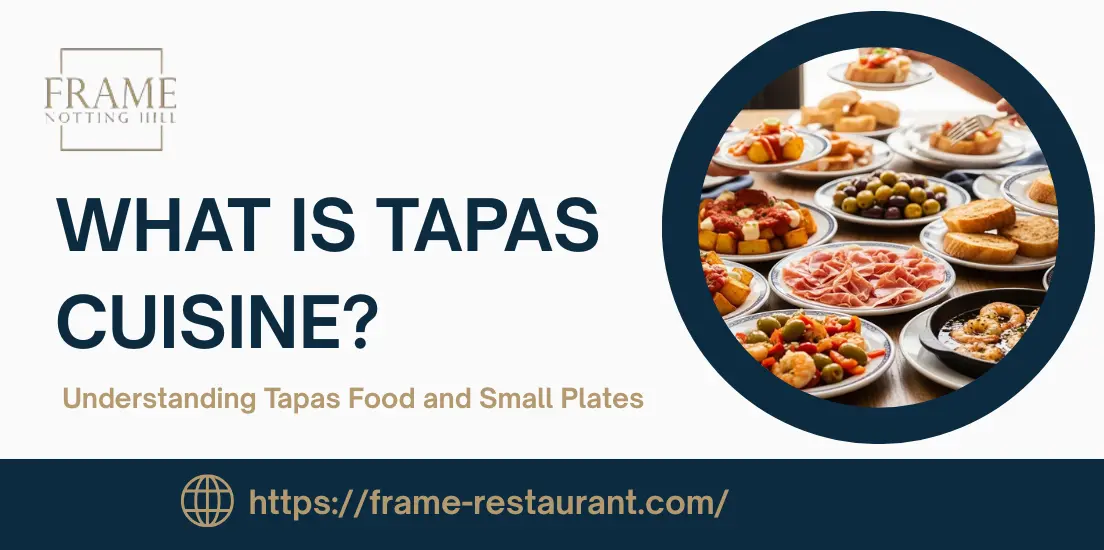
Tapas cuisine refers to a style of eating that involves serving small portions of different foods, usually shared between people at the table. If you are wondering what is tapas, the simplest explanation is that tapas are small dishes that can include meat, seafood, vegetables, bread, cheese, or sauces, and they can be served hot or cold.The word tapas comes from Spain, and the dining style is closely linked to Spanish food culture. Unlike traditional meals with starters, mains, and desserts, tapas dining focuses on variety. Guests typically order several dishes to share, creating a relaxed and social atmosphere.Because of this flexible style, tapas cuisine is often described as small-plate dining, where the focus is on tasting many flavours rather than eating one large portion.The Origin of Tapas Food
Tapas originated in Spain centuries ago and became part of everyday life in Spanish bars and restaurants. The word tapa means “cover” in Spanish, and one popular story suggests that bartenders used to place bread or slices of meat over drinks to protect them from dust or flies. These small snacks eventually became a tradition and later developed into the tapas dishes known today.Another historical explanation says that small portions of food were served with drinks to encourage people to eat while drinking. This helped establish the custom of enjoying food and conversation together, which remains an important part of tapas dining.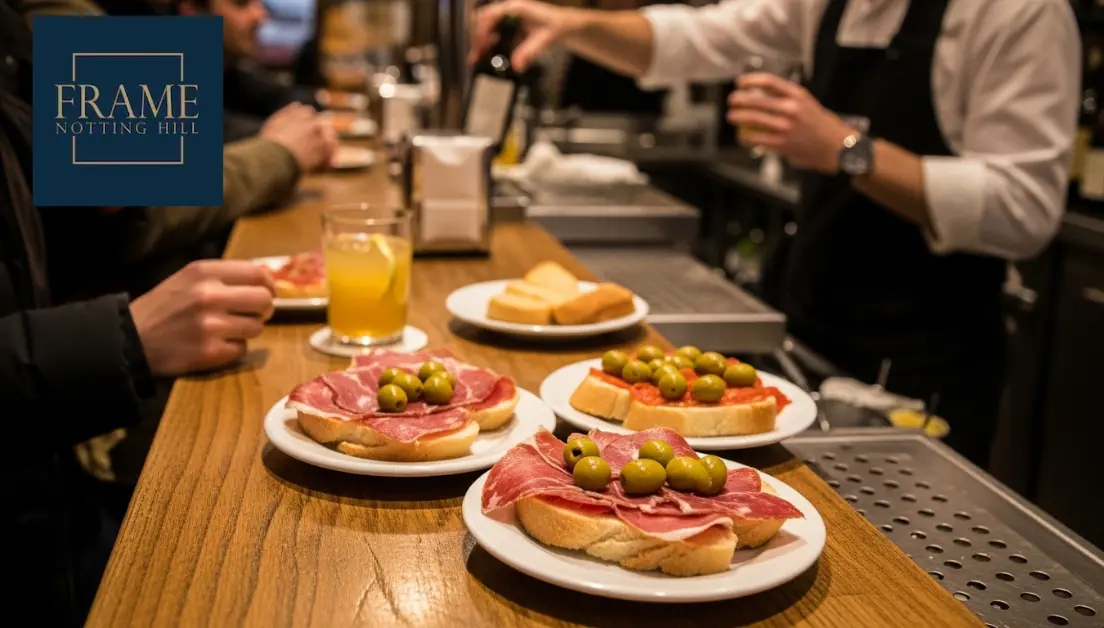 Over time, different regions of Spain created their own versions of Spanish cuisine tapas, and the variety of dishes grew into what we now recognise as traditional tapas.
What Foods Are Included in Tapas Cuisine?
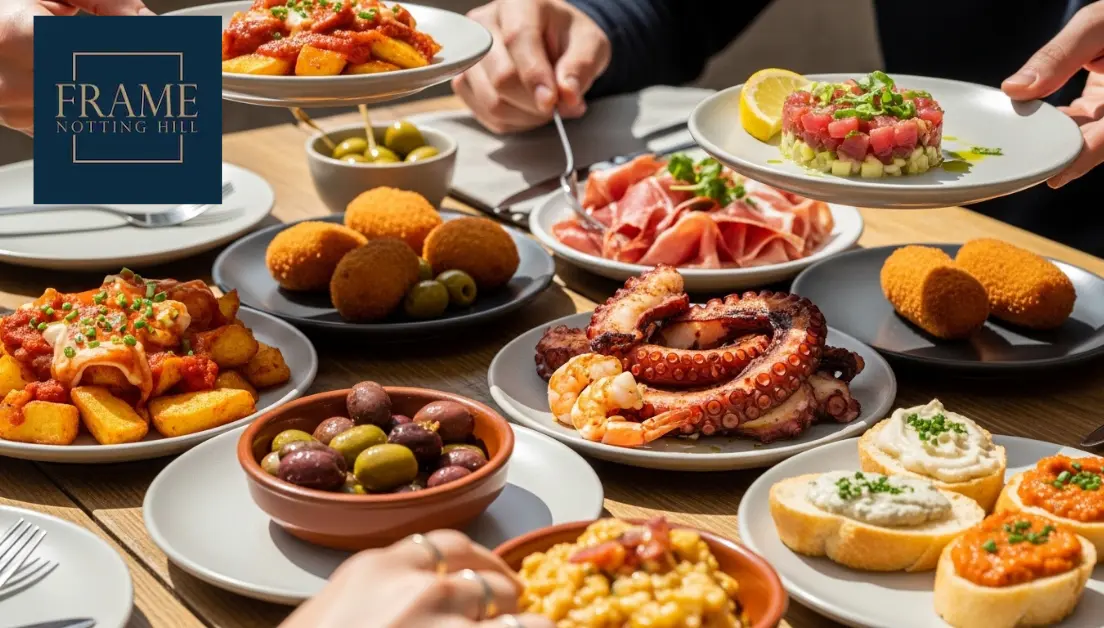
Tapas cuisine includes many types of dishes, from simple snacks to more elaborate dishes. There are no strict rules about what can be served as tapas, but some foods are commonly found on tapas menus.Popular tapas dishes include:- Patatas bravas (fried potatoes with sauce)
- Olives and marinated vegetables
- Cheese and cured meats
- Croquettes
- Ceviche
- Tuna tartare
- Cod stuffed piquillo peppers
- Grilled octopus
- Prawn croquetas
- Bread with dips or sauces
How Tapas Dining Works
Tapas dining is different from traditional restaurant meals. Instead of each person ordering one main dish, several small plates are ordered for the table. These dishes are shared, allowing everyone to try different flavours.Tapas are usually served in stages, with new plates arriving as others are finished. This makes the meal feel more relaxed and social, as people can eat slowly while talking and enjoying drinks.Why Tapas Cuisine Is So Popular
Tapas cuisine has become popular around the world because it offers a different kind of dining experience. Instead of a formal meal, tapas encourage sharing, conversation, and trying new flavours.There are several reasons why people enjoy tapas food:- Variety – many dishes can be tried in one meal
- Flexible portions – guests choose how much to order
- Social dining – food is shared at the table
- Suitable for groups – ideal for friends and families
- Different flavours – meat, seafood, and vegetarian options
 Because of these advantages, tapas restaurants are now common in cities across Europe, including London, where small-plate dining has become a popular choice for casual meals and special occasions.
Tapas Cuisine in Modern Restaurants in London
Modern tapas dining blends traditional Spanish recipes with innovative twists and international influences. While classic dishes remain popular, many tapas restaurants in London now offer creative small plates crafted with fresh, seasonal ingredients that highlight authentic Spanish flavours.This style of dining suits modern habits perfectly, as people increasingly enjoy lighter meals, shared plates, and relaxed, social settings. Restaurants that specialise in tapas focus not only on taste but also on presentation and variety, making each visit an interactive and memorable experience.For an authentic and contemporary tapas experience, Frame Notting Hill brings together traditional Spanish tapas and modern small-plate creations, making it the Notting Hill’s best restaurant for vibrant, flavourful dishes with friends and family.FRAME NOTTING HILL
Join Us for Modern Tapas Dining
Enjoy Spanish-inspired small plates, seasonal ingredients and carefully selected wines in the heart of Notting Hill.
Book Now!