

Method 3: Hand Method (Traditional, Chunky & Authentic Style)
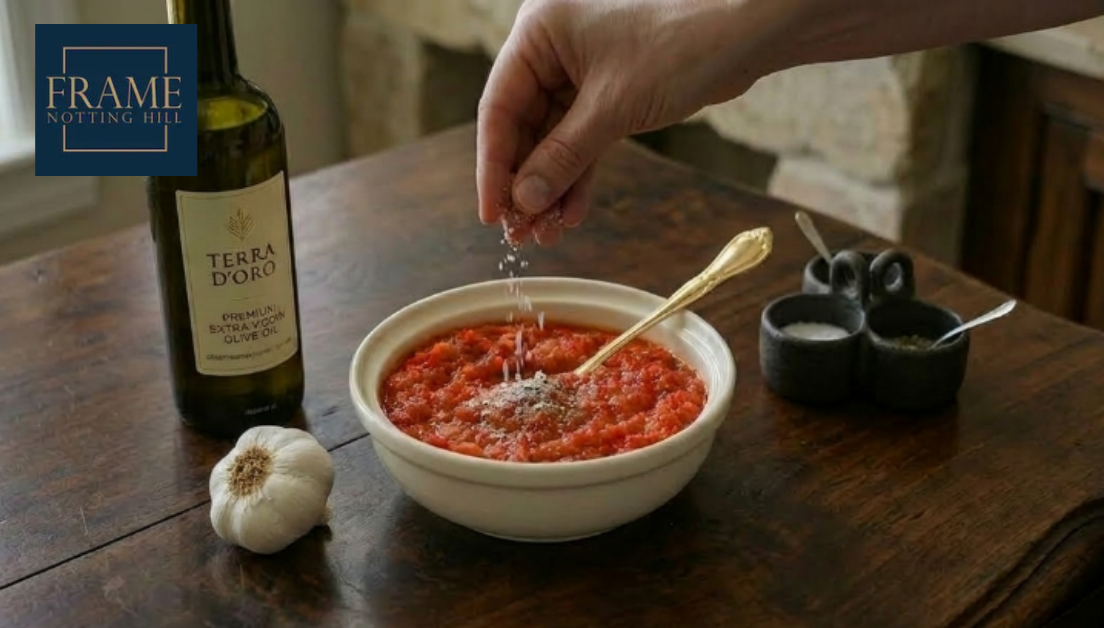
This is the most traditional and labour-intensive method. Finely chop roasted piquillo peppers and garlic, then place them in a mortar and pestle. Begin crushing and grinding until a paste forms. Slowly add olive oil, salt, and any optional ingredients, such as onion or spices, while continuing to mix by hand.
This method creates a chunky, rustic sauce with bold flavour and texture, often seen in traditional home-style cooking.
Method 4: Cooked Reduction Method (Deep, Rich & Intensified Flavour)
This method enhances the depth of flavour through light cooking.
Heat olive oil in a pan and gently sauté garlic (and onion if used) until fragrant. Add roasted piquillo peppers and cook for a few minutes to release their natural sweetness and deepen the flavour. Allow the mixture to cool slightly, then blend until smooth.
This method produces a richer, more concentrated sauce with deeper flavour complexity, commonly used in traditional Spanish cuisine.
Tips for a Restaurant-Style Piquillo Sauce
- Use quality base: Always use well-roasted, properly drained piquillo peppers, as this enhances the sauce’s natural sweetness and smoky depth.
- Balance seasoning: Taste as you go and adjust salt gradually to achieve a balanced flavour without overpowering the peppers.
- Add freshness: Add a small splash of lemon juice or vinegar for a fresher, slightly tangy finish that brightens the sauce.
- Control texture: Blend longer for a smooth, silky, restaurant-style texture, or keep it shorter for a more rustic, homemade consistency.
- Emulsify properly: Pour olive oil slowly while blending to help create a rich, creamy, and well-emulsified sauce.
- Adjust consistency: If the sauce becomes too thick, loosen it with a little water, vegetable stock, or cream, depending on how rich you want it.
- Enhance flavour depth: For a deeper flavour, you can add a small pinch of smoked paprika or a touch of garlic, but avoid overdoing it so the natural pepper flavour stays dominant.
These techniques ensure the authentic style of piquillo sauce, reflecting the depth and balance commonly found in classic tapas dishes. For an elevated dining experience, visit restaurants serving tapas-style dishes where piquillo sauce is expertly used to enhance flavour and presentation, or plan a full spread with our guide on perfect tapas evening in Kensington.
Serving Piquillo Sauce with Tapas Dishes
Piquillo sauce is versatile and enhances any tapas spread. It can be:
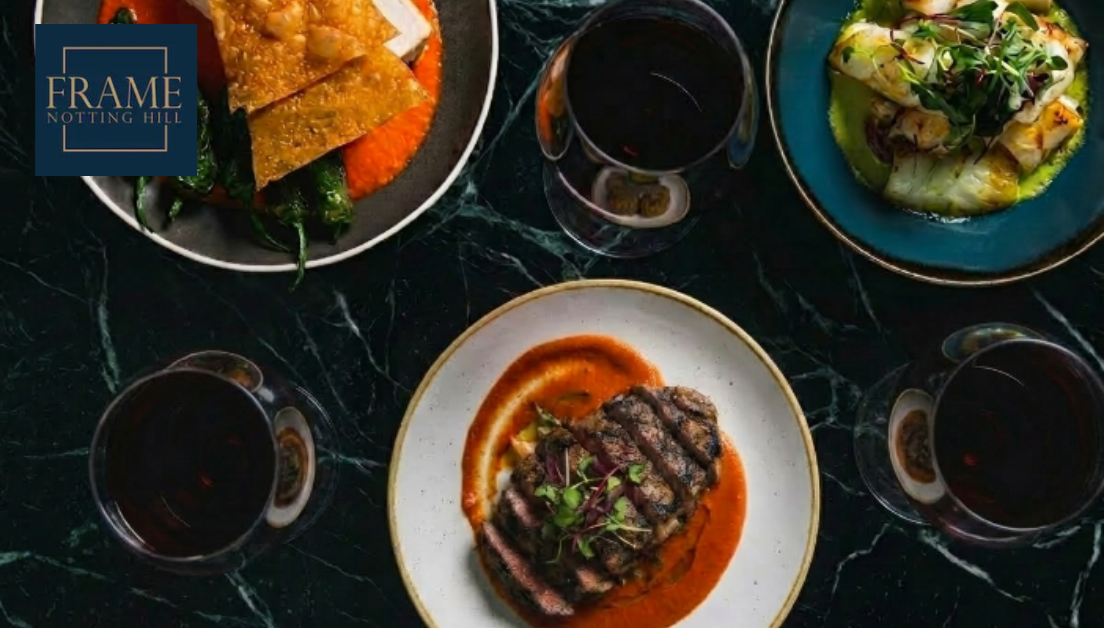
- Drizzled over grilled chicken, steak, lamb, or pluma ibérica, with both piquillo and chimichurri sauce, offering distinct flavour pairings for these dishes.
- Pairs beautifully with seafood such as grilled octopus, prawns, salmon, and tune tartar.
- Tossed with roasted vegetables like bell peppers, zucchini, and aubergine, or served as a dip alongside crusty bread and tapas boards.
- Pair it with pasta or rice dishes to add extra depth and flavour.
In the best restaurants in London, such as Frame Notting Hill, piquillo sauce adds a smooth, smoky-sweet note that enhances the menu with a wide range of meat, seafood, and vegetarian dishes.
Conclusion
Piquillo sauce is a versatile addition that enhances a wide range of dishes, from grilled meats like chicken, lamb, and steak to seafood such as tuna tartare, prawns, salmon, and grilled octopus. It also pairs beautifully with roasted vegetables, pasta, rice dishes, and tapas-style plates, adding a smooth, smoky-sweet depth that brings balance and richness to every bite. At Frame Notting Hill, the menu is elevated by adding a refined Mediterranean character to both classic and modern creations. Book your table now and enjoy an unforgettable tapas experience.