

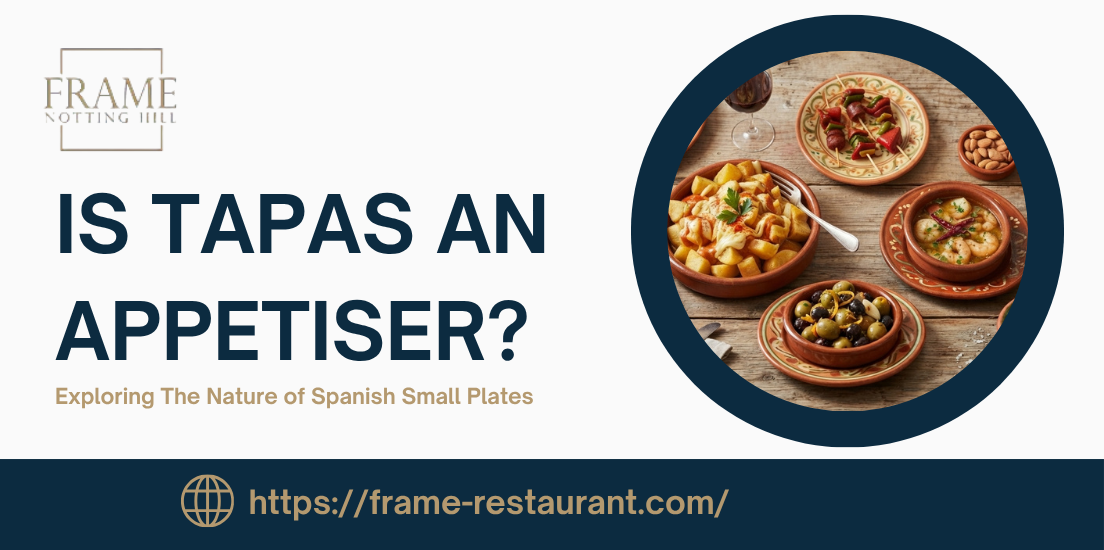
Is tapas an appetiser? Sometimes, but not by definition. Tapas can work as a starter when you order a few small dishes before a larger plate like paella. In Spain, though, tapas is more often the whole meal: small plates shared across the table and ordered in rounds over a relaxed evening.
Quick answer:
- Yes, it can be an appetiser when you eat a few tapas before a main course.
- No, it isn’t only an appetiser. It can also be a full meal, with no fixed courses, shared by everyone at the table.
Tapas isn’t just a course on a menu. It’s a style of eating built around sharing, variety and a slow pace. This guide explains what tapas is, where it comes from, how it differs from a traditional appetiser, and how to order it properly, whether you’re visiting a top tapas restaurant in London or are just curious about the tradition.
What Is Tapas, Exactly?
Tapas refers to a wide variety of small Spanish dishes, typically served to share across the table rather than eat individually. The word itself comes from the Spanish verb tapar, meaning “to cover.” According to popular legend, the tradition began in Andalusia, where a slice of bread or cured ham was placed over a glass of sherry to keep flies and dust out a small, practical habit that eventually evolved into a snack served alongside a drink at taverns and bars.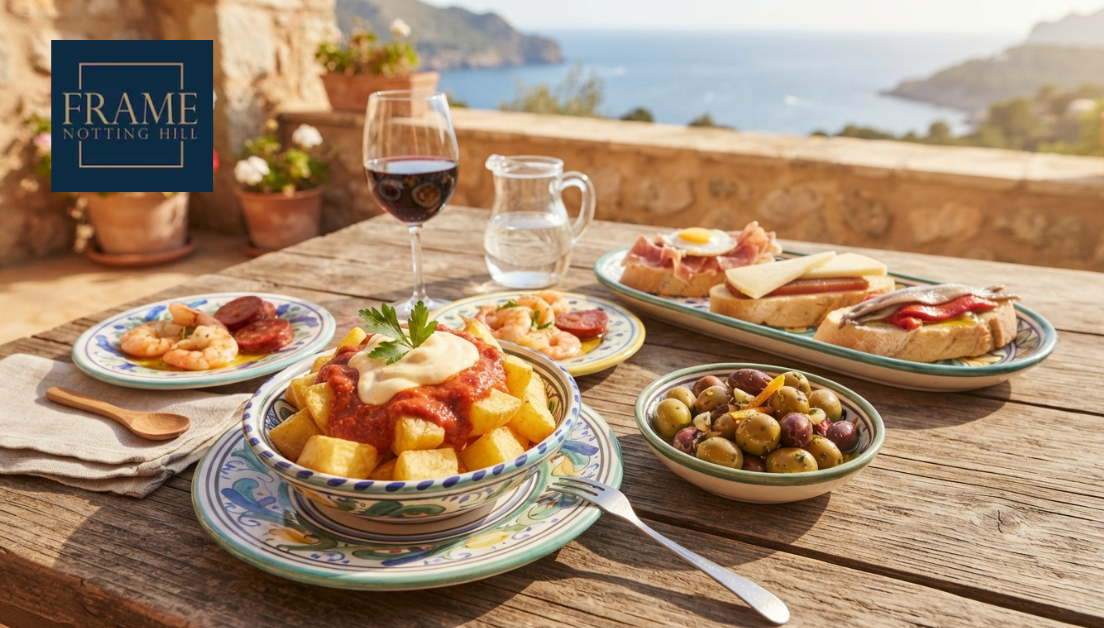 Over the decades, this simple habit grew into one of Spain’s most iconic culinary traditions: entire evenings built around small, flavourful plates rather than a single main course. Tapas culture is now closely tied to Spanish social life: friends and family gather at a bar or restaurant, order dish after dish, and let the meal unfold naturally over hours rather than rushing through three fixed courses. To explore the full range of dishes and flavours that define this tradition, check out our guide to Spanish tapas cuisine.Some things worth knowing about tapas culture:
- It originated as a bar snack, often served free with a drink in parts of Spain
- Different regions of Spain have their own tapas specialities and traditions
- Tapas bars are designed for standing, mingling, and moving between venues, a practice known as tapeo
- The format encourages trying many flavours in one sitting rather than committing to a single dish
What Is an Appetiser?
In most Western dining traditions, an appetiser is a small dish served before the main course, designed to open the appetite and set the tone for the meal ahead. It follows a fairly fixed structure:Starter → Main Course → DessertAn appetiser is usually ordered once, at the beginning of the meal, eaten individually, and cleared from the table before the next course arrives. It plays a supporting role in the meal, a warm-up act to the “real” main course, rather than something meant to be revisited or shared throughout the evening.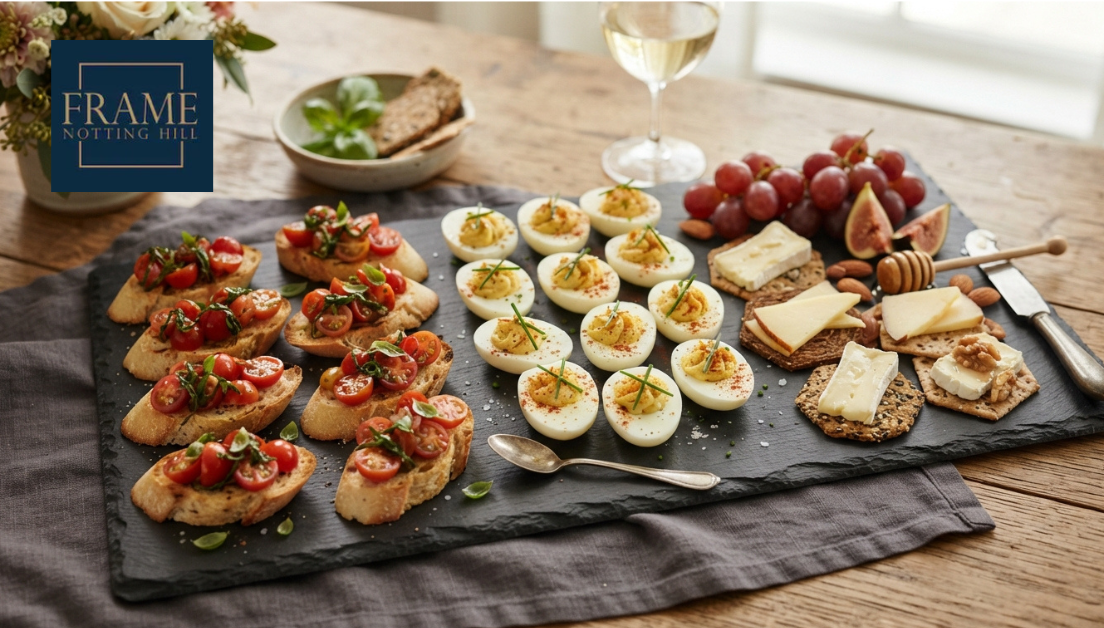 Typical characteristics of an appetiser include:
- Served in a single, defined portion per diner
- Eaten before the main dish, never alongside or after it
- Chosen individually, based on personal taste rather than table consensus
- Cleared away completely once the main course is served
Is Tapas an Appetiser? The Key Differences
While tapas can resemble an appetiser on the surface, both are small dishes; after all, the two concepts differ in some genuinely important ways once you look closer.In short: An appetiser is a single starter eaten before the main course. Tapas is a shared, continuous style of dining that can replace the entire meal or act as a starter, depending on how you order.
Course Structure vs No Fixed Structure
An appetiser exists within a set sequence; it comes before the main course and disappears once the main arrives. Tapas doesn’t follow this rule at all. In many cases, an assortment of tapas dishes is the entire meal, with no separate “main course” to follow. There’s no rigid beginning, middle, or end, just a steady flow of dishes for as long as the table wants to keep ordering.Portion and Pacing
Appetisers are ordered once, at the start, and that’s the end of their role in the meal. Tapas, by contrast, is ordered continuously throughout the evening, a few dishes at a time, refreshed and added to as the night goes on. This pacing is deliberate: it keeps the table engaged and turns the meal into an ongoing event rather than a linear sequence.Social Dining vs Individual Plates
An appetiser is typically a personal dish, one per diner, chosen and eaten independently. Tapas is inherently communal: plates are placed in the centre of the table and shared freely, encouraging conversation, second helpings, and a slower, more social pace of eating. It’s as much about the company as the food.When Tapas Serves as an Appetiser?
That said, tapas isn’t a rigid concept, and modern dining has blurred the lines further. It’s common to order a few tapas dishes before a larger plate like paella, a grilled main, or a seafood platter, and in that context, tapas effectively functions as a starter course.Restaurants like Frame in Notting Hill often lean into this flexibility, letting guests build a full tapas-style meal from several small plates or use a handful of dishes as a lead-in to something larger. This adaptability is exactly why tapas has become so popular outside of Spain; it fits naturally into different dining styles, whether guests want a light shared starter or a full evening of small plates.Tapas vs Appetisers: Quick Comparison
| Category | Tapas | Appetiser |
| Course role | Can be a full meal or a starter | Always precedes the main |
| Portion size | Small, ordered repeatedly | Small, ordered once |
| Social style | Shared, communal | Usually individual |
| Pacing | Continuous throughout the meal | Served once, before the main |
| Flexibility | Adaptable to any dining style | Fixed role in the meal sequence |
| Typical setting | Bars, tapas restaurants, social gatherings | Formal or structured multi-course meals |
How to Order Tapas the Right Way
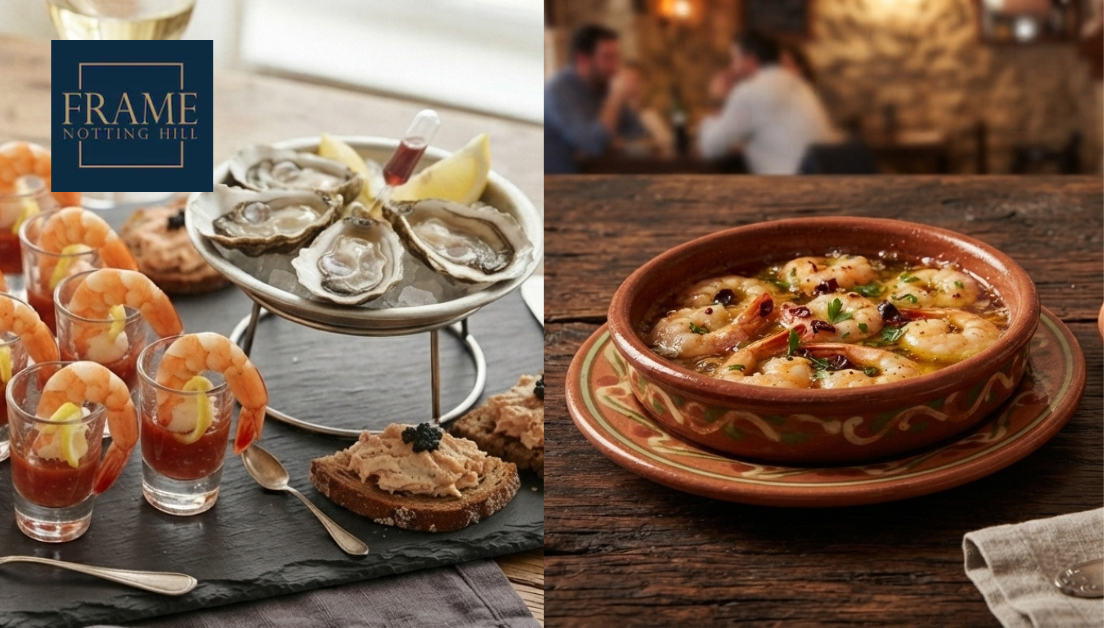
Getting the most out of a tapas meal comes down to pacing, variety, and a willingness to share. Whether you’re dining at a neighbourhood spot or at the best restaurant in London, a few simple guidelines will help you make the most of the experience:- Order 2–3 dishes per person to start, then add more as the meal progresses and appetites become clearer
- Mix hot and cold plates; balance something like patatas bravas or croquetas with a plate of cured meats, cheeses, or olives.
- Don’t rush the meal: tapas is designed to be eaten slowly, over conversation and drinks, not finished in twenty minutes.
- Order for the table, not just yourself. The experience is built around sharing, so think about variety across the group rather than individual preferences.
- Pace your orders: instead of ordering everything at once, send a few rounds, so dishes arrive at a comfortable rhythm.
- Try something unfamiliar: part of the appeal of tapas is discovering new flavours in small, low-commitment portions.
- Pair with drinks: sherry, Spanish wine, or vermouth are traditional pairings that complement the tapas experience.