

London’s Spanish food scene has quietly become one of the city’s most exciting culinary stories. There’s a certain kind of night out that only tapas delivers: a table full of small plates, unhurried conversation, and a bottle of wine that lasts the whole evening. From Soho’s buzzing bars to quiet corners of Notting Hill, London has embraced this way of eating like few other cities outside Spain itself. But among the many restaurants offering it, only a handful actually capture what makes tapas special in the first place.
In this guide, we’ll break down what genuine tapas actually means, walk through the London neighbourhoods worth exploring for it, share the dishes to order, and cover what to expect once you’re seated at the table, so you know exactly where to go for the real thing.
What Makes a Tapas Experience “Authentic”?
Before recommending where to go, it helps to understand what actually separates a genuine tapas experience from a diluted one, since eating at a top restaurant in London means navigating a no shortage of places calling themselves authentic.
Quality Ingredients
Authentic tapas rely on quality basics done right: real Jamón Ibérico, good olive oil, fresh seafood, and cheeses that haven’t been swapped for cheaper substitutes. It’s easy to cut corners on ingredients when plates are small, but that’s exactly where the difference shows. A kitchen that invests in proper sourcing, even for something as simple as olives or bread, is usually a good indicator of what the rest of the menu will be like.
Traditional Dishes
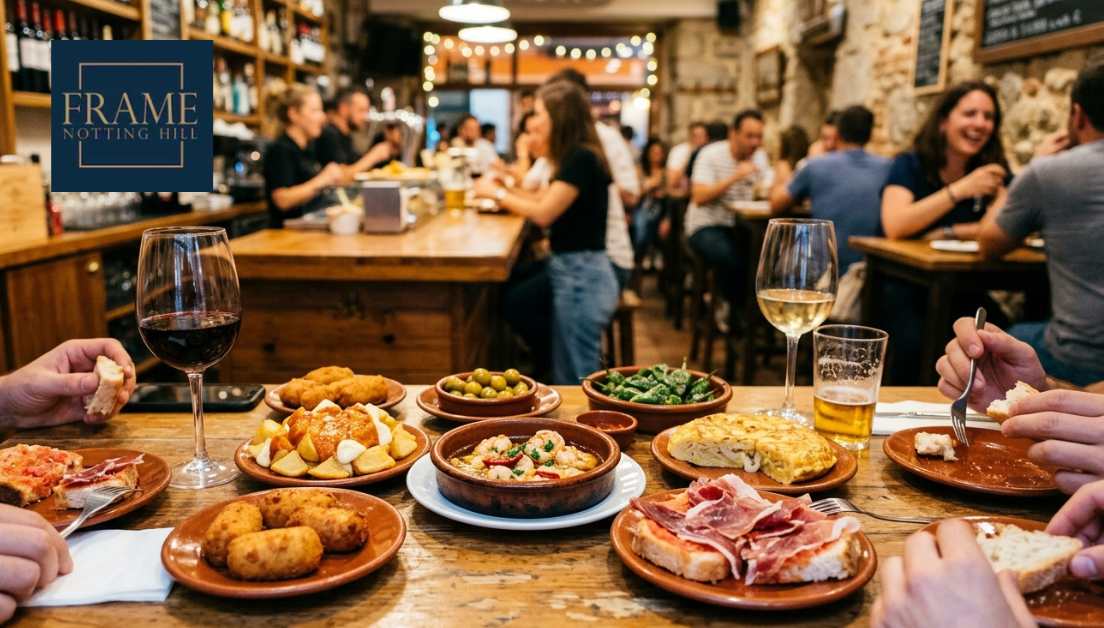
Patatas Bravas, Croquetas, Gambas al Ajillo, and Padrón Peppers are simple on paper but easy to get wrong. A kitchen that respects the classics rather than reinventing them unnecessarily is usually a good sign. These dishes leave very little room to hide: the crispiness of a croqueta or the balance of a Bravas sauce says a lot about the care going into the kitchen, even before you get to the more elaborate items on the menu.
Real Spanish Culinary Heritage in the Kitchen
Restaurants led by Spanish chefs or teams with real ties to Spanish food traditions tend to deliver a more honest version of the cuisine. This doesn’t mean every dish has to be strictly traditional, but the foundation usually matters; a kitchen with genuine roots in Spanish cooking brings an instinct for flavour and technique that’s difficult to replicate otherwise.
With that criterion in mind, here’s where to find it across London.
Where to Visit London for an Authentic Tapas Experience
If you are wondering where to go in London for an authentic tapas experience, the city has a few standout pockets worth knowing about. Soho and Covent Garden offer the highest concentration of well-established Spanish spots, with a lively, fast-paced energy that suits pre-theatre dinners and larger groups, though it can feel rushed on busy weekends. South of the river, Borough and Bermondsey lean into their proximity to London’s best food markets, with produce, seafood, and cured meats often sourced directly from nearby stalls. But if what you’re after is a slower, more genuine evening, space to actually enjoy the meal, Notting Hill offers something the busier central options can’t.
Notting Hill: For an Intimate, Authentic Experience
This is a neighbourhood where tapas dining feels closer to how it’s experienced in Spain: unhurried, conversational, and centred around good food rather than turnover speed. Restaurants here tend to be smaller and more personal, often run by teams who treat the menu as a genuine reflection of Spanish cooking rather than a trend to capitalise on.
- Smaller, more personal dining rooms
- Slower pace, closer to how tapas is enjoyed in Spain
- Menus built around tradition rather than trends
- Best suited to diners prioritising atmosphere and authenticity over volume of options
If your goal is an authentic experience in the full sense, not just the food, but the peace and atmosphere too, Notting Hill is worth prioritising over the busier central options. Here you’ll find Frame Notting Hill, an authentic tapas restaurant in Notting Hill built entirely around that unhurried, sharing-first way of eating.
What to Order for an Authentic Tapas Experience
Wherever you end up, a few dishes are worth seeking out as a benchmark of quality:
- Patatas Bravas: crispy potatoes with a smoky, spiced tomato sauce and aioli
- Padrón Peppers: blistered and salted, with the occasional spicy surprise
- Jamón Ibérico: thinly sliced cured ham, ideally from acorn-fed pigs
- Gambas al Ajillo: garlic prawns cooked in olive oil, simple but telling of a kitchen’s skill
- Croquetas: usually jamón or mushroom, crisp outside and creamy within
How a restaurant handles these five dishes will tell you almost everything about the kitchen behind them.
What to Expect From an Authentic Tapas Night Out?
Tapas dining follows its own rhythm, and knowing it in advance makes the experience far more enjoyable.
Pacing: Tapas Arrive in Rounds, Not All at Once
Traditional tapas dining unfolds gradually: a few small plates open the evening, often something light like olives or bread with alioli, followed by more substantial dishes as appetites build. This staggered approach mirrors how tapas are eaten across Spain, where a meal can stretch over hours with new plates arriving every 20–30 minutes rather than the whole table appearing at once. It also gives the kitchen room to send out dishes at their best, hot ones fresh off the pan rather than sitting under a heat lamp.
Balance: A Mix of Hot and Cold Plates
A well-curated tapas spread pairs cold elements cured meats like jamón, marinated olives, boquerones, or a simple tomato bread with hot dishes fresh from the kitchen, such as croquetas, patatas bravas, or grilled prawns. This contrast keeps the table visually and texturally varied, and it’s also practical: cold plates can be prepped ahead and served immediately. At the same time, diners settle in, buying the kitchen time to fire the hot dishes properly rather than rushing them out.
Pairing: Wine and Sherry as Part of the Experience
A genuine tapas restaurant treats Spanish wine and sherry as essential to the meal, not an afterthought. Think a chilled fino or manzanilla alongside seafood tapas, a young Rioja with cured meats, or cava to open the evening. Sherry, in particular, is deeply tied to tapas culture; small bars in Andalusia served sherry with a free tapa on top of the glass to encourage lingering. Offering these pairings by the glass, rather than only full bottles, suits the sharing-plate format far better than a generic house wine list.
Atmosphere: Built for Conversation
Tapas dining is designed to be social by nature; plates are meant to be picked up, passed around, and returned, which keeps hands and attention engaged without dominating the conversation. The gradual pacing slows the meal down naturally, removing the pressure of a fixed multi-course structure, and makes it ideal for longer, relaxed evenings, catch-ups, celebrations, or dates where the food is part of the atmosphere rather than the sole focus.
Why Frame Notting Hill Stands Out for Authentic Tapas
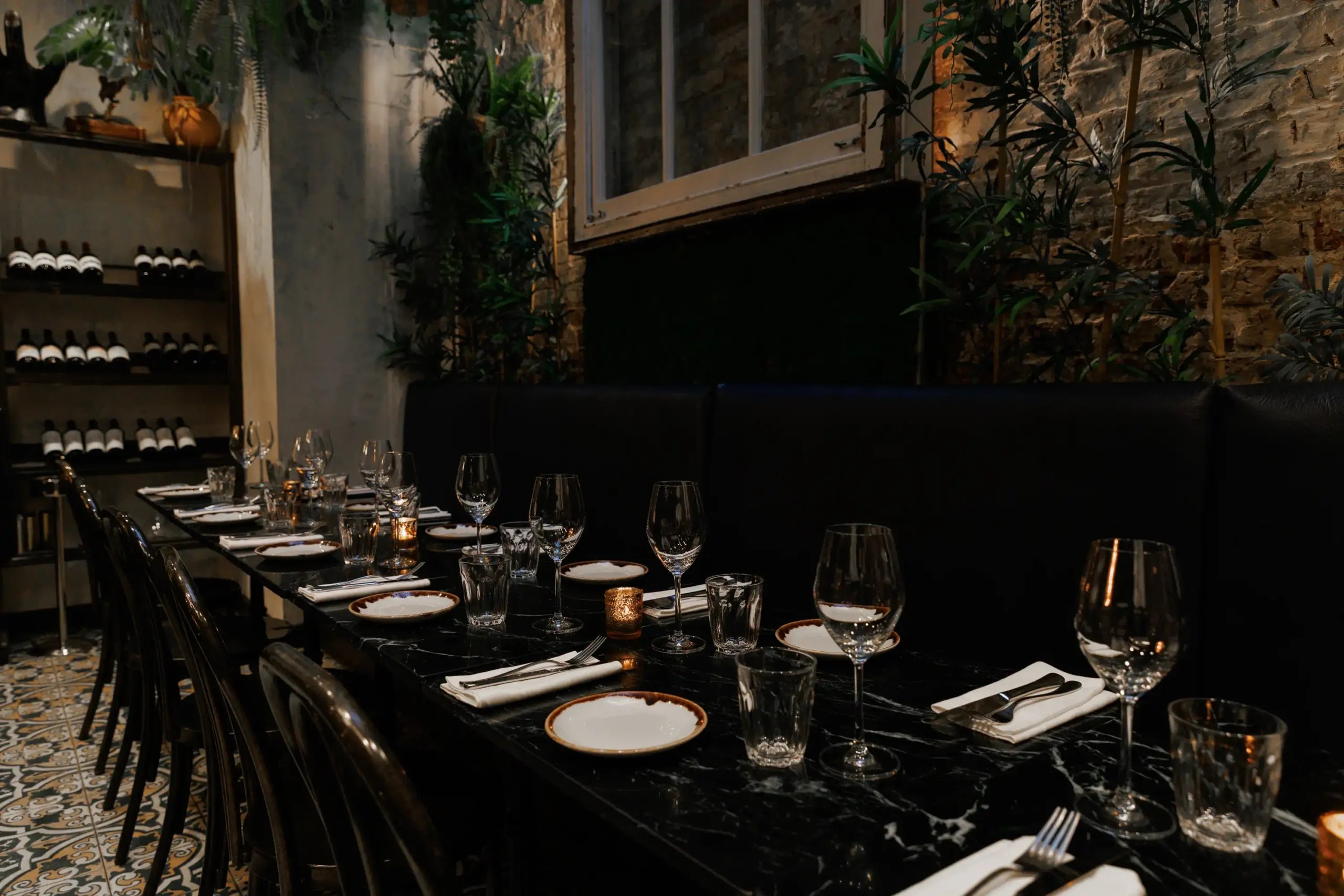
Among Notting Hill’s dining options, Frame stands out as one of the best tapas restaurants in the area, with a menu rooted in traditional Spanish recipes, ingredients chosen for authenticity rather than convenience, and a setting designed for the kind of unhurried, shared dining tapas was always meant for. The dining room itself reflects the calm, unrushed character of Notting Hill, a space where meals are meant to be lingered over rather than rushed through.
Whether it’s classic para picar or lesser-known regional dishes, the focus remains on honouring Spanish culinary tradition rather than reinventing it for novelty’s sake, making it one of the more genuine tapas experiences in the area.
Book a table at Frame and see what that experience actually feels like.
Conclusion
London’s tapas scene isn’t a single experience; it changes depending on where you go. Soho and Covent Garden offer energy and choice, Borough and Bermondsey lean into market-fresh ingredients, and Notting Hill offers something quieter and more personal.
If an authentic, unhurried evening of proper Spanish small plates is what you’re after, Frame in Notting Hill captures that experience about as well as anywhere in the city.
One Response