

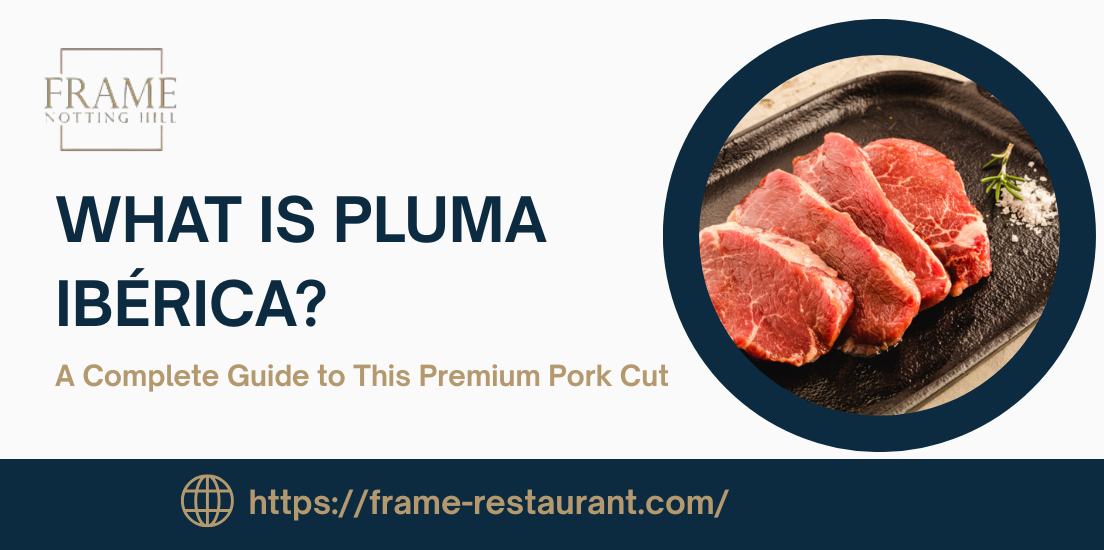
What Is Pluma Ibérica?
Pluma Ibérica is a premium cut of Iberian pork taken from the end of the loin, near the shoulder blade. It is small, triangular, and typically weighs between 100–150 grams.The name “pluma” means “feather” in Spanish, referring to its distinctive shape. Only two pluma cuts come from each pig, making it rare and highly sought after. Pluma Ibérica stands out for its fine marbling, which melts during cooking, keeping the meat tender and juicy. Sourced from free range, acorn fed Iberian pigs, it has a rich, slightly nutty flavour with a smooth, buttery finish, making it ideal for quick grilling or pan searing.Where Does Pluma Ibérica Come From?
Pluma Ibérica is sourced from the Iberian pig, a native breed traditionally raised across Spain and Portugal.Unlike conventional commercial breeds, Iberian pigs are slow growing and reared free range, allowing for natural muscle development and superior meat quality. A defining characteristic of this breed is its ability to store fat within the muscle tissue, known as intramuscular fat, which creates the distinctive marbling associated with Iberian pork.The highest quality classification is 100% Ibérico de Bellota, commonly referred to as pata negra. These pigs are raised to strict standards and traditionally finished on a natural acorn based diet, resulting in exceptional flavour, aroma, and texture.Why is Pluma Ibérica so Special?
Pluma Ibérica is distinguished by its fine intramuscular marbling, which melts during cooking and naturally bastes the meat from within, creating a tender and juicy texture. Sourced from free range, acorn fed Iberian pigs, it develops a rich, slightly nutty flavour with a smooth, buttery finish. This unique diet and lifestyle enhance the meat’s oleic acid content, contributing to its depth of taste and refined mouthfeel. Compared to standard pork, Pluma Ibérica offers a more complex, premium eating experience with exceptional balance between lean meat and fat. This makes Pluma Ibérica one of the most prized cuts in Spanish cuisine and a standout choice for fine dining experiences.The Dehesa: The Secret Behind the Flavour
The true magic lies in the dehesa, Spain’s ancient oak forest ecosystem, renowned for producing some of the finest Iberian pork in the world.Here, pigs roam freely across vast natural landscapes and feed on:- Acorns (bellota)
- Natural grasses
- A softer, more aromatic fat
- A delicately nutty, complex flavour
- A healthier fat composition compared to standard pork
Pluma vs Secreto vs Presa: What’s the Difference?
Pluma Ibérica is distinguished by its fine intramuscular marbling, which melts during cooking and naturally bastes the meat from within. Compared to other cuts used in Spanish pork dishes, Pluma offers a more refined balance of tenderness and flavour.| Cut | Location | Fat Level | Texture | Best Cooking Method |
| Pluma | Loin near the shoulder | Medium | Tender, fine | Grill / pan-sear |
| Secreto | Between ribs & shoulder | High | Rich, juicy | High-heat grilling |
| Presa | Shoulder | Medium-high | Firm, meaty | Grill/roast |
- Pluma: Balanced, tender, refined
- Secreto: Richer, fattier, more indulgent
- Presa: Larger, steak like
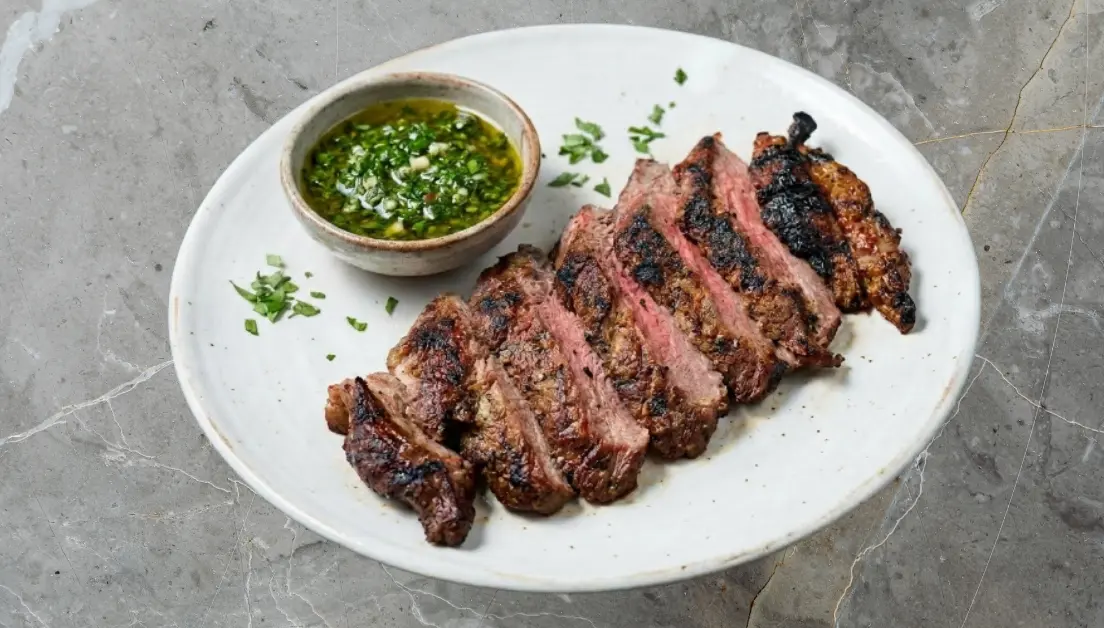
How to Cook Pluma Ibérica at Home
Cooking Pluma Ibérica at home is simple when you understand the basics. This premium pork cut from the Iberian pig is known for its rich marbling, tender texture, and deep flavour.With the right technique, it cooks quickly in a pan and delivers restaurant quality results without complicated steps.Ingredients You’ll Need
Pluma Ibérica is best when kept simple so its natural flavour can shine through. You only need a few basic ingredients:- Pluma Ibérica cut
- Sea salt
- Black pepper
- Olive oil (optional, often not required due to natural fat)
- Garlic, rosemary, or thyme (optional for added aroma)
Pluma Ibérica Cooking Guide
Proper preparation is essential to achieve the best texture and flavour. Start by bringing the Pluma Ibérica to room temperature before cooking, as this helps it cook more evenly. Pat the meat dry with kitchen paper to remove excess moisture, which is important for getting a good sear. Season lightly with sea salt and black pepper, keeping it simple so the natural flavour stands out. You can also let it rest for a few minutes after seasoning to enhance the taste and ensure better results when cooking.Step 1: Heat the pan
Start by placing a cast iron pan or heavy skillet over high heat and letting it get very hot before adding the meat. This is important because a properly heated pan helps create a strong sear and enhances flavour development. Make sure the heat is evenly distributed across the surface so the meat cooks consistently. Do not rush this stage, as the pan’s temperature plays a key role in achieving the right texture. A well heated pan is the foundation of perfect cooking.Step 2: No or minimal oil
Pluma Ibérica naturally contains enough fat, so only a small amount of oil is needed, or none at all. As the meat cooks, its fat will slowly render, adding rich flavour to the dish. This natural process keeps the meat juicy and enhances its taste without extra ingredients. Adding too much oil can overpower the natural flavour of the pork. Keeping it minimal allows the meat’s quality to stand out.Step 3: Sear the meat
Carefully place the meat into the hot pan and avoid moving it immediately so a proper crust can form. Let it sit undisturbed until a deep golden brown sear develops on one side. This step is essential because it locks in the juices and builds rich flavour. A good sear also improves the overall texture of the meat. Patience during this step ensures better results.Step 4: Turn and cook evenly
Once the first side is nicely browned, gently flip the meat to cook the other side. Repeat the same searing process so both sides develop an even caramelised crust. Handle the meat carefully to avoid losing its natural juices. Make sure the heat remains steady for balanced cooking. This step ensures uniform texture and flavour throughout.Step 5: Finish
Continue cooking until the meat is slightly pink inside and perfectly tender. Allow the natural fat to fully render, which adds depth and richness to the flavour. With the right technique, Pluma Ibérica can be cooked at home with a true restaurant style finish—juicy, tender, and full of rich flavour. For the best experience, you can also visit our restaurant and enjoy perfectly cooked Pluma Ibérica by our chefs.Can Pluma Ibérica Be Served Pink?
Yes, Pluma Ibérica can be safely served pink due to its high quality production and free range farming. Sourced from the Iberian Pig raised in the Dehesa and fed on acorns, the meat develops natural marbling and tenderness, making it suitable for medium or medium rare cooking.Light cooking helps preserve its juices, buttery texture, and rich flavour, delivering a premium Spanish pork dishes experience.Ideal Cooking:Pluma Ibérica is best cooked over high heat to quickly sear the exterior while preserving its natural juices. It typically requires just 2–3 minutes per side, with an internal temperature of 58°C to 63°C, depending on thickness, to achieve a perfectly caramelised crust with a tender pink centre. After cooking, allowing the meat to rest for a few minutes is essential, as it helps the juices redistribute evenly, enhancing both flavour and texture.Why You Shouldn’t Overcook It:Overcooking Pluma Ibérica causes the delicate intramuscular fat to fully render out, removing the cut’s natural juiciness. The meat then loses its tender, buttery texture, becoming noticeably drier and tougher. As a result, much of its rich, nutty flavour is diminished, reducing the overall depth and quality of the dining experience.Essential Tips for Resting and Slicing Pluma Ibérica
Properly resting and slicing Pluma Ibérica are essential steps that ensure maximum juiciness, improved texture, and a restaurant quality presentation at home.Resting the Meat (Very Important)
Resting is a crucial step that should never be skipped.- Allow the meat to rest for 5–10 minutes after cooking
- This helps redistribute the juices inside the meat
- Improves tenderness and enhances overall flavour
- Keeps the meat juicy when sliced
Slice Pluma Ibérica Properly
Proper slicing improves both texture and presentation.- Always slice against the grain
- Use a sharp knife for clean cuts
- Cut into thin slices for a softer, more delicate texture
- Arrange neatly for a restaurant style presentation
Common Mistakes to Avoid
Avoid these errors to ensure perfect results when cooking Pluma Ibérica:- Overcooking the meat (ruins tenderness and juiciness)
- Using too much seasoning (overpowers natural flavour)
- Skipping the resting stage
- Cooking on low heat (prevents proper crust formation)
Restaurant Style Chef Tips
Professional chefs often follow these techniques:- Use a cast iron pan for the best sear
- Allow fat to render naturally without rushing
- Keep seasoning minimal to highlight natural flavour
- Start with high heat for the crust, then adjust if needed for even cooking
Nutrients in Pluma Ibérica
Despite its rich flavour, Pluma Ibérica offers notable nutritional benefits thanks to its acorn fed diet. It is naturally high in oleic acid, a healthy monounsaturated fat linked to better heart health, improved cholesterol balance, and reduced inflammation. It also provides high quality protein along with essential nutrients such as B vitamins, zinc, and potassium, making it a rare balance of indulgence and nutritional value.How Is Pluma Ibérica Served?
Simplicity is key when serving Pluma Ibérica, with a focus on enhancing rather than overpowering its natural flavour. The cut is valued for its rich flavour and tender texture, so it is typically prepared to preserve its natural qualities and keep the meat the highlight of the dish.Common serving styles include:- With grilled octopus,
- Grilled with sea salt
- With chimichurri sauce
- With roasted vegetables
- Finished with lemon
What to Drink with Pluma Ibérica
Pluma Ibérica pairs beautifully with wines that can balance its rich, savoury flavour and natural fat content. Red wines with good structure, such as Rioja Reserva and Ribera del Duero, complement the depth of the meat, enhancing its roasted and nutty notes. For white wine lovers, Fino Sherry and Albariño offer a refreshing contrast, with acidity that cuts through the richness and lifts the overall palate. The key is to choose wines that bring either structure or freshness to balance the dish’s intensity.Experience Pluma Ibérica in Notting Hill
If you are dining in Notting Hill and want to experience Pluma Ibérica prepared at a consistently high standard, Frame Restaurant London is a reliable choice, offering a refined interpretation of this premium Iberian cut with a focus on flavour, technique, and presentation.As one of the best restaurants in Notting Hill, we built our menu around bold Iberian flavours and carefully sourced ingredients. From refined starters like tuna tartare to premium mains like Pluma Ibérica, every dish is crafted with bold flavour and technique. The Pluma Ibérica, served with mushroom purée and chimichurri, is one of the most talked about dishes on the menu, consistently praised by guests as among the finest they have eaten.Taste Pluma Ibérica at Frame
Discover our Pluma Ibérica, served with mushroom purée and chimichurri at our Notting Hill restaurant.